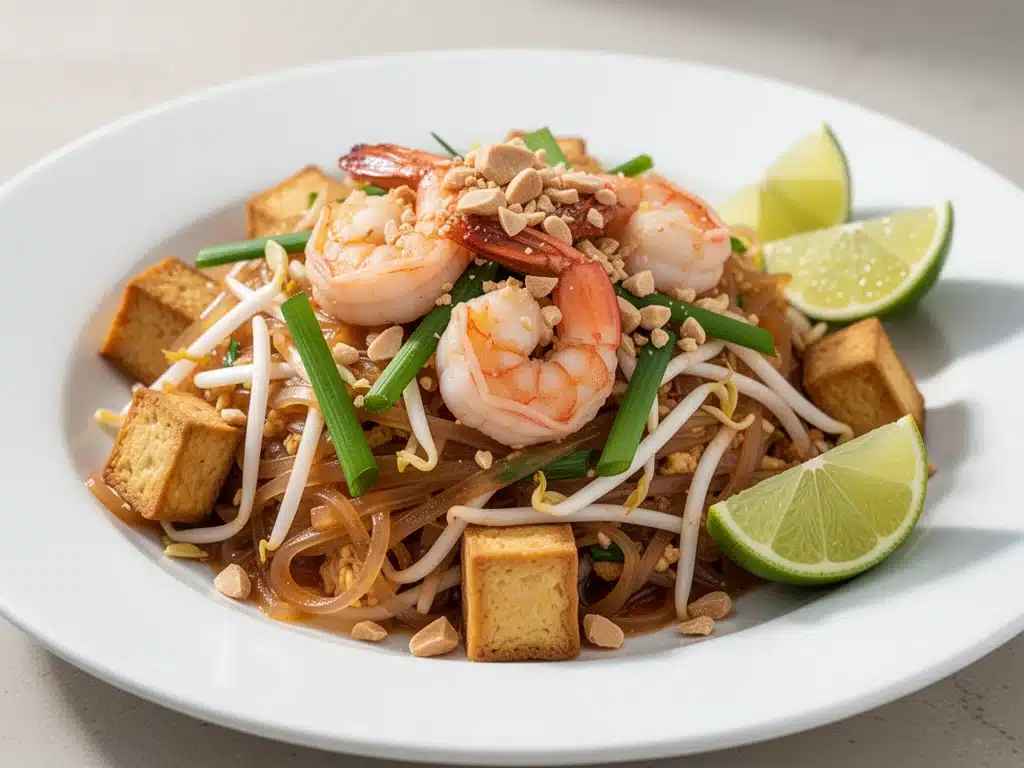
I have a confession to make. For years, I was the person who would scroll through Uber Eats for twenty minutes, order pad thai for $18, and then realize I could have made it myself for $6. I knew it was supposed to be easy. Everyone says it’s just noodles, tofu, peanuts, and sauce. But every time I tried, I ended up with a sticky, mushy mess that tasted like sweet soy sauce and regret. My kitchen looked like a disaster zone, and my dinner was lukewarm.
Last month, after yet another disappointing attempt where the rice noodles turned into a single giant clump, I decided to stop guessing. I called my friend Sarah, who lives in Bangkok and visits us every summer. I asked her the one question I was too embarrassed to ask before: “What am I doing wrong?”
She laughed. Not meanly. Just that warm, knowing laugh of someone who has seen many home cooks struggle with rice noodles. “You’re cooking the noodles in the pan,” she said. “And you’re not balancing the sauce right. It’s too sweet. Pad thai isn’t a dessert; it’s a balance of salty, sweet, sour, and spicy.”
That was the turning point. I spent the next weekend testing, tweaking, and tasting. I burned a few batches. I used the wrong kind of peanuts. I even tried using spaghetti once (don’t ask). But by Tuesday, I had it. I had a pad thai that tasted exactly like the best street food stall in Bangkok, but it was ready in 30 minutes, used ingredients I already had, and cost less than a tank of gas. I made this restaurant-style pad thai with peanuts three nights in a row. My family didn’t even ask why. They just kept eating.
If you’ve been intimidated by pad thai, thinking it requires obscure ingredients or hours of prep, let me save you the frustration. This version is actually stupid simple. It’s my go-to weeknight dinner when I want something that feels fancy and flavorful but doesn’t require a degree in Asian cuisine. It’s crispy, chewy, tangy, and nutty. And yes, it really does use just five core ingredients to make the magic happen.
Why You’ll Love This Pad Thai Recipe
There are a dozen reasons I keep making this pad thai, but here are the ones that actually matter when you’re tired after work.
It’s Actually Fast — Seriously, 30 minutes from start to finish. Most of that time is just waiting for the noodles to boil. The actual cooking is about 10 minutes. I make this on Tuesdays when I’m exhausted and don’t have the energy to chop a million vegetables. It’s fast enough that you won’t resent it.
Five Ingredients, Maximum Flavor — I know “five ingredients” sounds like a gimmick, but it’s true for the core sauce and protein. You don’t need a pantry full of rare pastes. The flavor comes from the balance of fish sauce, tamarind (or lime), sugar, and soy. It’s simple, but it hits every note. It’s not complicated; it’s balanced.
Crispy Peanuts Are Non-Negotiable — I’ve tried skipping the peanuts, and I’ve tried using raw ones. Neither works. The key is dry-roasted, crushed peanuts added at the very end. They add that essential crunch and nutty aroma that makes pad thai taste like pad thai. It’s the texture contrast that elevates this from “noodles with sauce” to a real dish.
It Uses What You Have — You probably have rice noodles, eggs, and peanuts already. If you don’t have shrimp or chicken, tofu works perfectly. This recipe is forgiving. It’s pantry-friendly, which means I can make it on a whim when I’m staring at a half-empty fridge.
Better Than Takeout — I’ve compared this side-by-side with my favorite local Thai restaurant. The only thing missing is the specific heat of their chili oil, but honestly? This tastes fresher. You control the salt, the sweetness, and the spice. It’s not greasy. It’s not heavy. It’s just good food.
This is my answer to “what’s for dinner” when I want something that feels special but doesn’t require a trip to the Asian market. It’s reliable, delicious, and makes your kitchen smell incredible.
Ingredients You’ll Need
Here’s the best part: this looks like a long list, but most of it is pantry basics. I’m particular about three things here, and I’ll tell you exactly why.
For the Noodles
Rice Noodles (Flat) (8 ounces / 225g) — This is crucial. You want flat rice noodles, about 1/4 inch wide. They’re often labeled as “medium” width. Do not use vermicelli (the thin spaghetti-like ones); they turn to mush. Do not use wide sheets unless you’re making a different dish. I buy mine in the Asian aisle of my grocery store, but online works too. Look for brands like Lotus or Thai Kitchen.
For the Sauce (The 5-Ingredient Magic)
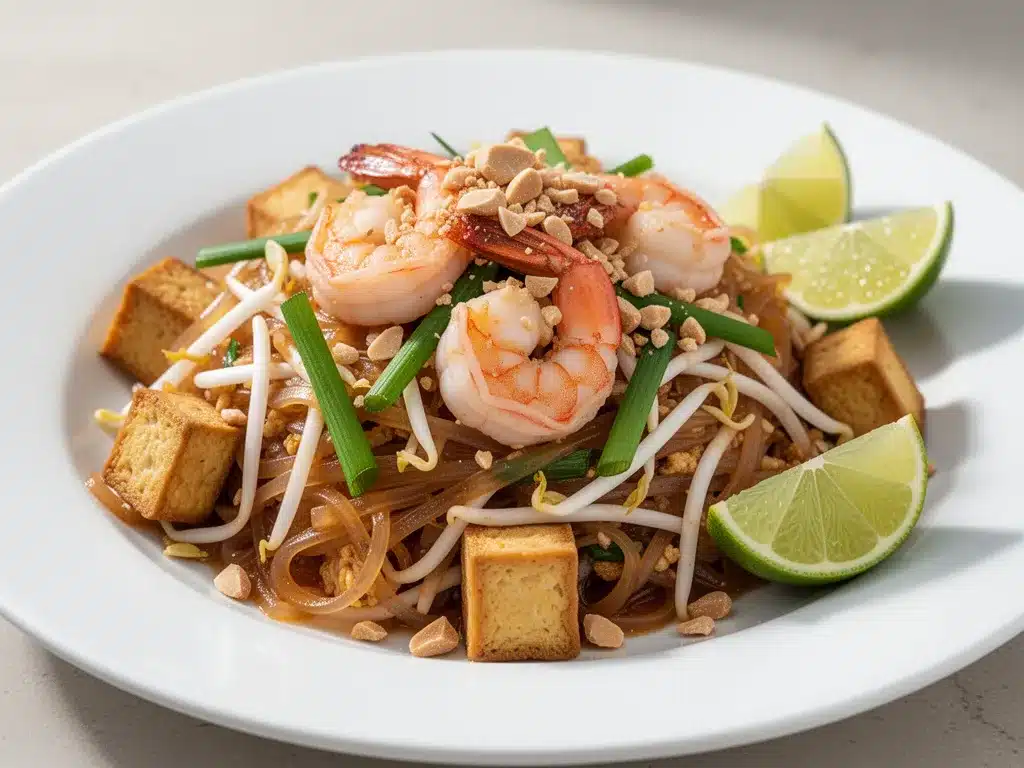
Fish Sauce (3 tablespoons / 45ml) — This is the salty, umami backbone. Don’t skimp. If you hate fish sauce, you probably haven’t tried it in balance. It doesn’t taste “fishy” in this dish; it tastes savory. I use Red Boat brand because it’s pure and clean. If you’re vegetarian, use soy sauce or tamari, but it won’t be the same depth.
Tamarind Paste (2 tablespoons / 30g) — This gives the authentic sour tang. It’s not lemon juice; it’s deeper, fruitier. You can find this in the Asian aisle or online. If you can’t find it, mix 1 tablespoon lime juice with 1 tablespoon brown sugar, but it’s not quite the same. I keep a jar of this specifically for pad thai.
Brown Sugar (2 tablespoons / 25g) — White sugar works, but brown sugar adds a molasses note that pairs beautifully with the peanuts and fish sauce. I use dark brown sugar for a richer flavor. It helps caramelize slightly in the pan.
Soy Sauce (1 tablespoon / 15ml) — Just a splash to boost the saltiness and color. I use regular soy sauce, not low-sodium, because I want the flavor. If you’re watching sodium, use low-sodium and taste before adding more fish sauce.
White Vinegar (1 teaspoon / 5ml) — Optional, but it brightens the sauce if you want that extra zing. I add this if the tamarind isn’t sour enough.
For the Stir-Fry
Vegetable Oil (2 tablespoons / 30ml) — I use peanut oil if I have it, because it tastes authentic. But canola or avocado oil works fine. You need a high smoke point oil.
Eggs (2 large) — Scrambled into the noodles. This adds protein and richness. I like to scramble them in the pan first, then push them aside.
Shrimp or Chicken (1 cup / 150g, cooked) — I usually use pre-cooked rotisserie chicken for speed, or raw shrimp that cooks in 2 minutes. Tofu works too. Keep it simple.
Dry Roasted Peanuts (1/2 cup / 60g, crushed) — This is the topping. Buy them dry-roasted and unsalted. Crush them lightly with a rolling pin or in a bag. Don’t powder them; you want chunks.
Green Onions & Cilantro — For garnish. I use both. It adds freshness and color. If you hate cilantro, just use green onions.
Lime Wedges — To squeeze over the top at the table. Fresh acid is essential.
Equipment Needed
You don’t need fancy equipment for this. Here’s what I actually use.
Large Wok or Skillet — I use a 12-inch carbon steel wok. It heats evenly and has the right shape for tossing noodles. A large non-stick skillet works too, but you’ll have less space to toss. If your pan is too small, the noodles will steam instead of fry, and you’ll get soggy results.
Large Pot — For boiling the noodles. I use my biggest stockpot. You need enough water for the noodles to move around.
Colander — For draining the noodles. Or just use the lid to drain—I do this when I’m being lazy.
Sharp Knife — For chopping green onions and cilantro. Dull knives make you cry more—learned this the hard way.
Measuring Spoons — For the sauce. The balance is key, so measure it out. I don’t eyeball the sauce.
Wooden Spoon or Spatula — For stirring. Silicone works too. Don’t use metal on non-stick.
Rolling Pin or Heavy Pan — To crush the peanuts. Or just buy them pre-crushed. I buy pre-crushed when I’m lazy.
How to Make It: Step-by-Step
Alright, let’s make this! I’m walking you through exactly how I do it, including the little tricks I’ve picked up from my friend Sarah and my own mistakes.
Step 1: Prep the Noodles (10 minutes)
This is the most important step. Do not skip it. Take your rice noodles and soak them in hot (not boiling) water for 10 minutes. I know some recipes say to boil them, but soaking prevents them from getting mushy. They should be pliable but still firm. Drain them and rinse with cold water to stop the cooking. Toss them with a teaspoon of oil so they don’t stick together. Set aside.
Step 2: Mix the Sauce (2 minutes)
In a small bowl, whisk together the fish sauce, tamarind paste, brown sugar, soy sauce, and vinegar. Stir until the sugar is dissolved. Taste it. It should be a perfect balance of salty, sweet, and sour. If it’s too sour, add more sugar. If it’s too sweet, add more fish sauce. This is your flavor profile.
Step 3: Cook the Protein (3 minutes)
Heat 1 tablespoon of oil in your wok or skillet over high heat. Add your shrimp or chicken. Cook until just done. If using raw shrimp, it should turn pink and opaque. If using pre-cooked chicken, just warm it through. Remove the protein from the pan and set aside on a plate. Don’t clean the pan; leave those flavorful bits.
Step 4: Scramble the Eggs (2 minutes)
Add the remaining tablespoon of oil to the same pan. Crack the eggs in and scramble them quickly with your spatula. Break them into small, bite-sized pieces. You want little yellow clouds, not big omelet chunks. Push the eggs to the side of the pan.
Step 5: Combine and Stir-Fry (5 minutes)
Add the soaked noodles to the pan. Pour the sauce over the noodles. Toss everything together. The noodles will absorb the sauce quickly. Add the cooked protein back in. Toss for 2-3 minutes until everything is heated through and the noodles are coated. The noodles should be glossy and slightly sticky, but not wet.
Step 6: Finish and Serve (2 minutes)
Remove from heat. Sprinkle the crushed peanuts over the top. Add the chopped green onions and cilantro. Toss one last time. Serve immediately with lime wedges on the side.
Total Time: About 30 minutes (10 minutes prep, 20 minutes cooking)
Troubleshooting:
- Noodles are too sticky: You didn’t rinse them enough after soaking, or they’re overcooked. Rinse with cold water and toss with oil.
- Sauce is too sweet: Add more fish sauce or lime juice. Taste as you go.
- Everything is dry: Add a splash of water or broth to loosen the sauce.
Expert Tips & Tricks
Here’s everything I’ve learned from making this dozens of times. These tips will save you from my mistakes.
Soak, Don’t Boil
This is the #1 tip. Boiling rice noodles makes them mushy and fragile. Soaking in hot water makes them pliable and chewy. They finish cooking in the wok, so you don’t need to boil them. I forgot this once and ended up with noodle soup. Never again.
High Heat is Your Friend
You want a wok hei (breath of the wok) flavor. That’s the smoky taste that comes from high heat. Don’t cook this on low. Crank it up. If your stove doesn’t get hot enough, don’t crowd the pan. Cook in batches.
Fresh Peanuts Only
Old, rancid peanuts will ruin this dish. Buy fresh ones. Dry-roasted is best because they’re crunchy. Raw peanuts are too soft. Crush them lightly—you want chunks, not powder.
Balance the Sauce
Taste your sauce before you add it to the noodles. It should be slightly too strong on its own. The noodles will absorb the flavor, so the sauce needs to be bold. If it tastes bland in the bowl, it’ll be tasteless on the plate.
Don’t Overcrowd the Pan
If you’re feeding a crowd, cook in batches. Overcrowding lowers the temperature and steams the noodles instead of frying them. You want that slight char on the edges.
Variations & Substitutions
Once you’ve nailed the basic version, here’s how you can mix it up. I’ve tried all of these.
Veggie-Loaded Pad Thai
Add 1 cup of bean sprouts and 1/2 cup of diced carrots in the last minute. They add crunch and sweetness. This is how I get my kids to eat vegetables. They don’t even notice.
Tofu Pad Thai
Use firm tofu, pressed and cubed. Pan-fry it first until crispy, then add it in step 3. It absorbs the sauce beautifully. I love this version for its texture.
Shrimp & Chicken Combo
Why choose? I use half shrimp and half chicken. It’s luxurious and filling. Just make sure to cook them separately if one takes longer.
Spicy Pad Thai
Add 1 teaspoon of chili flakes or sriracha to the sauce. Or serve with sliced fresh chilies on top. I like it mild, but my husband likes it hot.
Gluten-Free
Rice noodles are naturally gluten-free. Just make sure your fish sauce and soy sauce are gluten-free (use tamari instead). This is naturally GF if you’re careful with sauces.
Serving & Storage
How to Serve:
I usually serve this straight from the wok at the dinner table—it looks rustic and stays warm. But here are other ways I’ve enjoyed it:
Side Dishes:
- Crispy spring rolls (I love these with pad thai)
- Cucumber salad with rice vinegar
- Simple green salad with sesame dressing
Toppings Bar:
When I have guests, I put out: extra peanuts, chili flakes, lime wedges, bean sprouts, and fresh cilantro. Everyone customizes their bowl.
Storage Instructions:
Refrigerator: Store in an airtight container for up to 3 days. The noodles will absorb the sauce and get softer, which some people like. Reheat in a skillet with a splash of water to loosen them.
Freezing: I don’t recommend freezing pad thai. The noodles get weird and mushy when thawed. It’s best made fresh.
Meal Prep: Make the sauce ahead and store in the fridge. Cook the noodles fresh each night. Reheat the sauce, toss with noodles and protein. Takes 15 minutes.
Nutrition Information
I’m not a nutritionist, but here’s the breakdown if you’re tracking.
Per Serving (based on 4 servings):
- Calories: 450
- Protein: 20g
- Carbs: 55g
- Fiber: 3g
- Sugar: 12g
- Fat: 18g
- Sodium: 600mg
What’s Good:
- Decent protein from shrimp/chicken/tofu
- Rice noodles are gluten-free
- Can add vegetables to boost nutrition
What to Know:
- Higher in sodium from fish sauce
- Contains peanuts (allergy alert!)
- Can be made vegetarian or vegan
Look, this is comfort food. It’s not a diet recipe. But it’s way better than takeout, costs less, and I know exactly what’s in it. When I want to make it lighter, I use more vegetables and less oil. But usually? I just eat a reasonable portion and enjoy it.
Final Thoughts
So that’s my go-to restaurant-style pad thai with peanuts! I’ve probably talked your ear off at this point, but when you make a recipe this often, you have a lot to say about it.
This has saved weeknight dinners more times than I can count. It’s my answer to “what’s for dinner” when I’m tired, don’t want takeout, and still want something that tastes really good. My kids are happy, my husband’s happy, and I’m happy because I’m not stressed about cooking.
Make it yours! Try different add-ins, swap in your favorite vegetables, adjust the garlic (though more is always better in my opinion). The best recipes are the ones you adapt to your family’s tastes.
If you make this, drop a comment and let me know what you think! I love hearing how recipes turn out in your kitchen. And if something doesn’t work, tell me that too—I’m here to help troubleshoot.
Happy cooking! And I hope your kitchen smells half as good as mine does right now.
Frequently Asked Questions
Can I use spaghetti instead of rice noodles?
You can, but it won’t be authentic. Rice noodles have a unique chew and texture that wheat pasta doesn’t match. If you’re out of rice noodles, glass noodles (mung bean starch) are a closer substitute. But really, just go buy rice noodles. They’re cheap and easy to find.
Why did my noodles turn to mush?
You probably boiled them too long or didn’t rinse them with cold water. Remember: soak, don’t boil. And always rinse with cold water to stop the cooking. If they’re already mushy, you can’t fix them, but next time, soak for only 8-10 minutes.
Can I make the sauce ahead?
Yes! The sauce keeps in the fridge for up to a week. Just stir it before using, as the sugar may settle. This saves time on weeknights. I make a batch on Sunday and use it all week.
What if I don’t have tamarind paste?
Use lime juice. Mix 1 tablespoon lime juice with 1 tablespoon brown sugar. It’s not the same depth, but it works in a pinch. You can also use rice vinegar, but it’s less tangy.
How do I reheat leftovers?
Don’t microwave it! The noodles will get rubbery. Reheat in a skillet over medium heat with a splash of water or broth. Stir constantly until heated through. It’ll be almost as good as fresh.
Can I freeze this dish?
No. Rice noodles don’t freeze well. They become grainy and lose their texture. Make it fresh or store in the fridge for up to 3 days.
Is pad thai healthy?
It’s moderate. It has carbs, protein, and healthy fats from peanuts. It’s not a salad, but it’s not a cheat meal either. If you’re watching calories, use less oil and more vegetables. If you’re watching sodium, use low-sodium fish sauce or tamari.
Pin This Recipe!
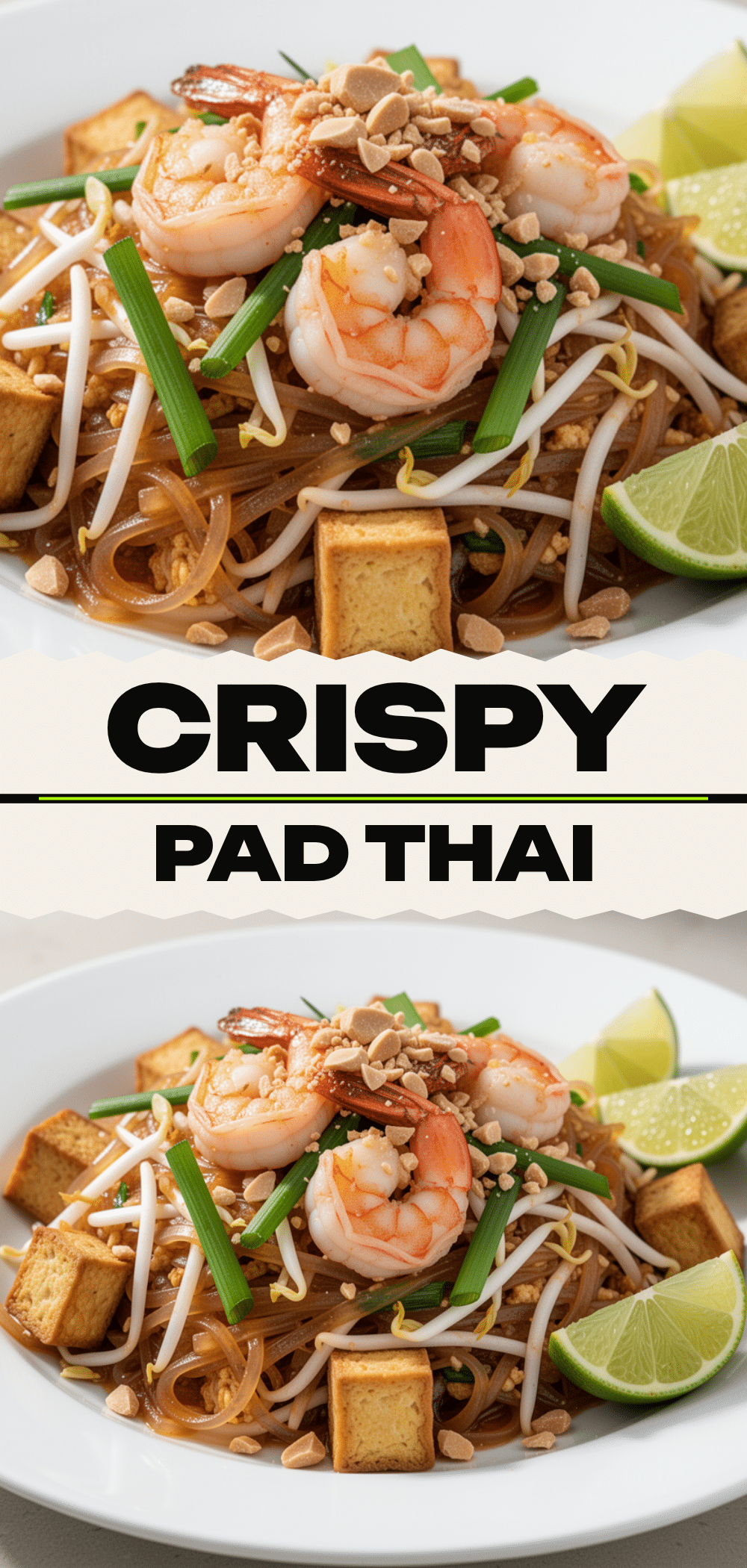
Pad Thai Recipe: 5 Ingredients for Easy Weeknight Dinner
- Total Time: 30 minutes
- Yield: 4 servings 1x
Description
A restaurant-style Pad Thai that balances salty, sweet, sour, and spicy flavors using just five core ingredients. This quick 30-minute weeknight dinner uses soaked rice noodles, a simple sauce, and crispy peanuts for an authentic taste without the takeout price.
Ingredients
- 8 ounces (225g) flat rice noodles (medium width)
- 3 tablespoons (45ml) fish sauce
- 2 tablespoons (30g) tamarind paste
- 2 tablespoons (25g) brown sugar
- 1 tablespoon (15ml) soy sauce
- 1 teaspoon (5ml) white vinegar (optional)
- 2 tablespoons (30ml) vegetable oil (divided)
- 2 large eggs
- 1 cup (150g) shrimp or chicken (cooked or raw)
- 1/2 cup (60g) dry roasted peanuts, crushed
- Green onions and cilantro, chopped (for garnish)
- Lime wedges (for serving)
Instructions
- Soak rice noodles in hot (not boiling) water for 10 minutes until pliable but firm. Drain, rinse with cold water, and toss with a teaspoon of oil to prevent sticking.
- In a small bowl, whisk together fish sauce, tamarind paste, brown sugar, soy sauce, and vinegar until the sugar is dissolved. Taste and adjust for balance.
- Heat 1 tablespoon of oil in a large wok or skillet over high heat. Add shrimp or chicken and cook until just done. Remove from pan and set aside.
- Add the remaining tablespoon of oil to the same pan. Scramble eggs quickly, breaking them into small pieces, then push to the side.
- Add soaked noodles to the pan and pour the sauce over them. Toss to combine.
- Add the cooked protein back into the pan. Toss everything together for 2-3 minutes until noodles are glossy, coated, and heated through.
- Remove from heat. Sprinkle with crushed peanuts, green onions, and cilantro. Toss once more and serve immediately with lime wedges.
Notes
Do not boil the rice noodles; soaking them in hot water prevents them from becoming mushy. Ensure the sauce is balanced before adding to noodles. Cook in batches if feeding a crowd to avoid steaming the noodles. Do not freeze leftovers as rice noodles lose texture.
- Prep Time: 10 minutes
- Cook Time: 20 minutes
- Category: Main Course
- Cuisine: Thai
Nutrition
- Serving Size: 1 plate
- Calories: 450
- Sugar: 12
- Sodium: 600
- Fat: 18
- Saturated Fat: 3
- Carbohydrates: 55
- Fiber: 3
- Protein: 20
Keywords: Pad Thai, Thai food, weeknight dinner, easy recipe, rice noodles, stir fry, 5 ingredient recipe, gluten-free option


