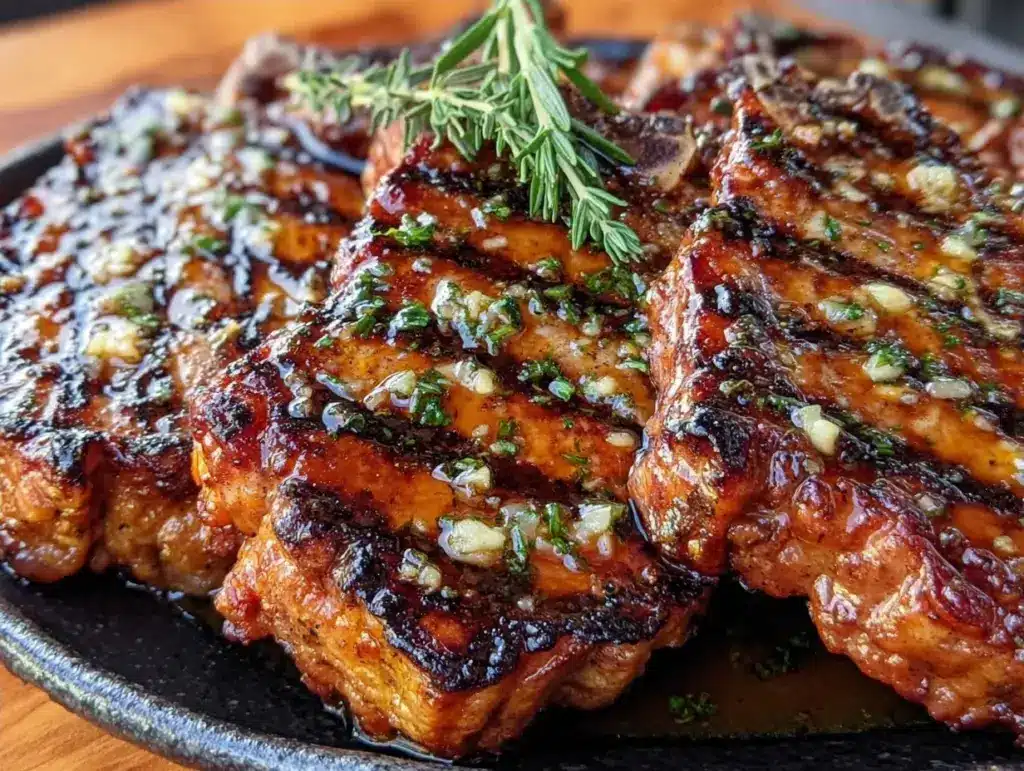
Last November, I stood over my stove in a bathrobe, staring at two sad, gray pork chops sizzling in a pan. They looked like hockey pucks. I had followed a recipe that told me to cook them for “four minutes per side,” but it didn’t mention that my stove runs hotter than the surface of the sun, or that these chops were thicker than a paperback novel. When I cut into one, the center was still cold while the edges were charred. My husband took one bite, smiled politely, and then pushed the plate away. It was a disaster. I felt like a fraud. I’m the person who gives cooking tips, and I couldn’t even cook a simple chop without turning it into a leather boot.
That night, I threw out the recipe and started over. I decided to stop guessing and actually learn how pork cooks. I spent the next three weeks testing different methods, burning more butter, and eating way too much pork. I learned that the secret isn’t in the marinade or the expensive cut of meat. It’s in the temperature. It’s in the rest. And it’s in that one specific trick that turns a dry, boring dinner into something your family actually begs for.
Now, my juicy pan-seared pork chops in garlic butter are the star of our weeknight rotation. They take less time than ordering takeout, use ingredients I already have in my fridge, and result in meat that is tender, flavorful, and honestly? Restaurant-quality. I’ve made this recipe at least a dozen times since that embarrassing bathrobe incident. Each time, I’ve tweaked the garlic butter sauce until it’s glossy, rich, and perfect for spooning over mashed potatoes or rice. If you’ve ever struggled with dry pork, this is the article you need. Let’s fix that.
Why You’ll Love This Recipe
I know what you’re thinking. “Pork chops? Isn’t that just… chicken with a bone?” Let me stop you right there. This isn’t about sustenance. This is about flavor. Here is why this method works when others fail.
- It’s Actually Fast — From preheating the pan to plating, this takes 20 minutes. I’ve made this on nights when I walked in the door at 6:30 PM and was eating by 6:55 PM. No stress, no mess.
- Impossible to Overcook (If You Follow the Trick) — Most recipes fail because they don’t teach you how to read the meat. By using the sear-and-baste method, the outside gets crispy while the inside stays juicy. You won’t get that rubbery texture ever again.
- One-Pan Simplicity — We sear the chops, make the sauce in the same pan, and deglaze all the delicious brown bits (fond) into a sauce. That means one pan to wash. My favorite kind of cooking.
- Restaurant-Ready Sauce — The garlic butter isn’t just melted butter with minced garlic thrown in at the end. We build a pan sauce. It’s emulsified, creamy, and clings to every bite. It’s the kind of sauce that makes you feel fancy without trying.
- Uses Affordable Cuts — You don’t need bone-in, thick-cut rib chops. This recipe works beautifully with standard boneless center-cut chops, which are often on sale. It’s budget-friendly without sacrificing quality.
- Family-Approved Flavor — Garlic and butter are universally loved, but the addition of fresh thyme and a splash of white wine (or broth) adds depth that kids and adults both enjoy. It feels like a treat, not a chore.
This is my go-to when dinner needs to just work. It’s reliable, it’s delicious, and it makes you look like a pro.
Key Ingredients for Juicy Pan-Seared Pork Chops in Garlic Butter
You don’t need a specialty store for this. But you do need to pick the right stuff. Here’s what you need and why it matters.
Pork Chops
4 boneless center-cut pork chops (about 1-inch thick, 6-8 oz each) — Thickness is key. If they’re paper-thin, they’ll dry out before you can sear them. If they’re 2 inches thick, you’ll need to finish them in the oven. Aim for that 1-inch sweet spot. If you can find chops with the “eye” (the round center muscle) intact, even better. Avoid chops that look pale or have excessive white fat caps.
The Fat
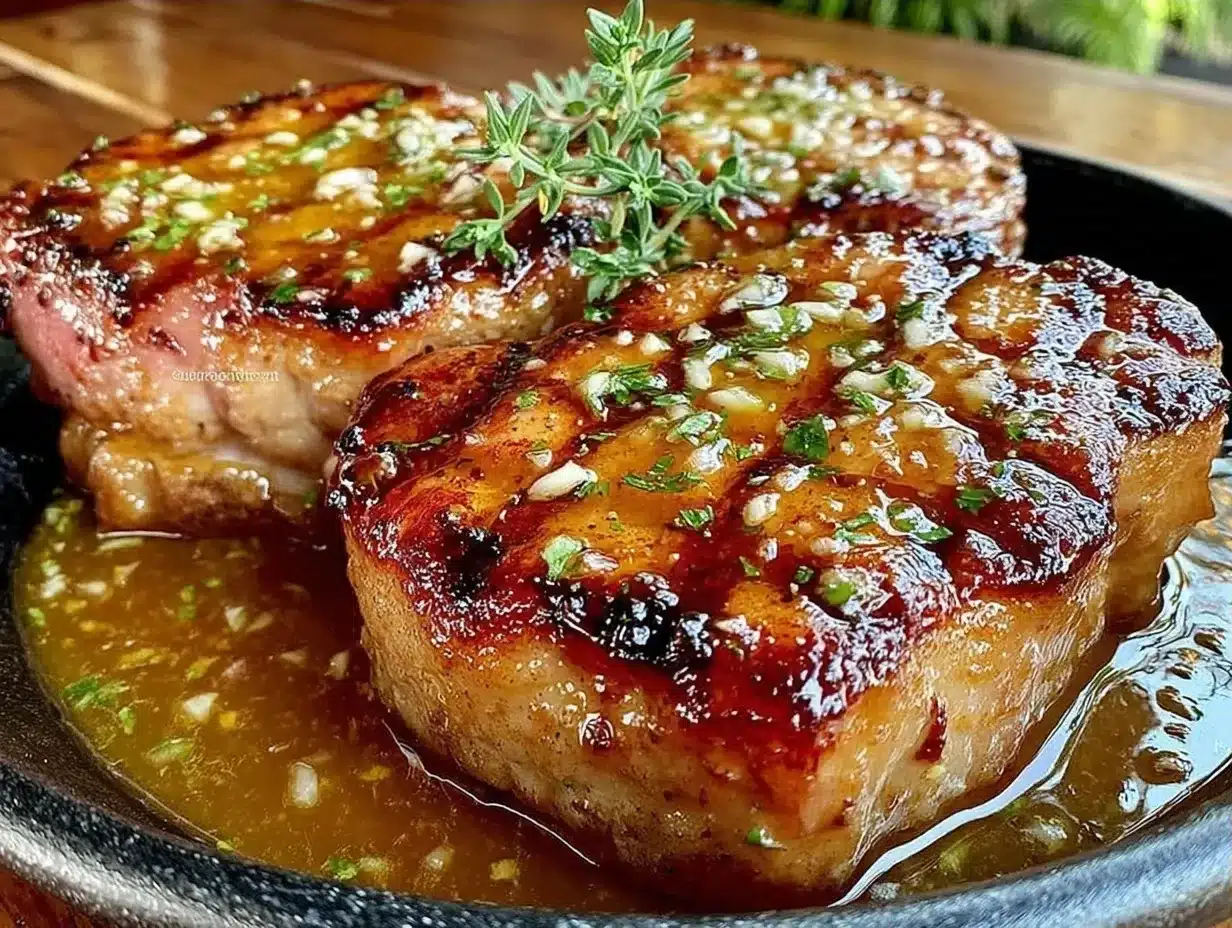
2 tbsp unsalted butter — For the sear, I use a mix of oil and butter. Pure butter burns at medium-high heat. For the sauce, you want good quality butter. I prefer European-style butter because it has a higher fat content, which makes the sauce richer and less likely to split.
2 tbsp olive oil — High smoke point is what we need for the initial sear. Don’t skip this, or your butter will turn black and taste acrid.
The Aromatics
5 cloves garlic, minced — Yes, five cloves. Fresh only. Jarred garlic has a metallic, sulfurous taste that ruins the delicate sweetness of the pork. If you mince it finely, it melts into the sauce. If you leave it chunky, you get little bursts of garlic. I prefer fine mince for a smooth sauce.
1 tbsp fresh thyme leaves — Fresh thyme is non-negotiable. Dried thyme is dusty and lacks that piney brightness. If you absolutely must use dried, use 1 teaspoon, but fresh makes a huge difference. Strip the leaves off the stems before chopping.
The Liquid
½ cup dry white wine — I love Sauvignon Blanc or Pinot Grigio. It adds acidity to cut through the fat of the butter. If you don’t drink wine, use low-sodium chicken broth. It won’t have the same brightness, but it will still work.
2 tbsp fresh lemon juice — Added at the very end. This is the “magic” ingredient that wakes up the sauce. Without it, the dish tastes heavy. With it, it tastes bright and balanced.
Seasoning
1 tsp kosher salt and ½ tsp black pepper — I use kosher salt because it’s easier to control. Table salt is denser and can easily make the dish too salty. Flaky sea salt (like Maldon) is great for finishing, but kosher is best for seasoning the meat.
Tools Needed
You don’t need fancy equipment. Here’s what I use. My kitchen is small, so I keep it simple.
- Cast Iron Skillet — I use a 12-inch cast iron skillet. It holds heat incredibly well, which is crucial for getting a good sear. Stainless steel works too, but cast iron is my favorite for this specific recipe. Avoid non-stick if you want a true crust; the butter and sugar in the pork will stick and burn.
- Meat Thermometer — This is the most important tool. I don’t guess. I measure. An instant-read thermometer takes the anxiety out of cooking pork. It tells you exactly when to pull the meat off the heat.
- Tongs — Good quality stainless steel tongs. They give you better control than a spatula when flipping chops in a hot pan.
- A wooden spoon or silicone spatula for stirring the sauce.
Cooking Instructions
Let’s get into the meat of it. Literally. Here is exactly how I make my juicy pan-seared pork chops in garlic butter. Pay attention to the timing.
Step 1: Prep the Meat (5 minutes)
Take your pork chops out of the fridge. I know it’s tempting to throw them straight into the pan, but cold meat hits a hot pan and drops the temperature. This leads to steaming, not searing. Let them sit on the counter for 15-20 minutes. Pat them completely dry with paper towels. Moisture is the enemy of browning. Season both sides generously with salt and pepper. Don’t be shy with the salt; it needs to penetrate the meat.
Step 2: The Sear (4-5 minutes per side)
Heat your cast iron skillet over medium-high heat. Add the olive oil. Wait until it shimmers and just starts to smoke. This means it’s hot enough. Place the chops in the pan. Do not overcrowd the pan. If you’re making four chops, do it in two batches. If you crowd the pan, the temperature drops, and the chops steam. You want a loud sizzle. Cook undisturbed for 3-4 minutes. You want a deep golden-brown crust. If it sticks, it’s not ready to flip. Use your tongs to gently nudge it. If it releases easily, flip. Cook the second side for 3-4 minutes. At this point, the chops should be about 145°F (63°C) in the thickest part.
Step 3: The Rest (Crucial!)
Remove the chops from the pan and place them on a plate or cutting board. Do not skip this. Cover them loosely with foil. This allows the juices to redistribute. If you cut into them now, all that goodness runs out onto the plate, leaving you with dry meat. While they rest, we make the sauce.
Step 4: Make the Garlic Butter Sauce (3 minutes)
Reduce the heat to medium-low. In the same pan, add the butter. Once melted and foaming, add the minced garlic and thyme. Cook for just 30-60 seconds. Watch it closely. Garlic burns in seconds. You want it fragrant and golden, not brown. Pour in the white wine (or broth) and use your wooden spoon to scrape up all the brown bits (fond) from the bottom of the pan. This is where the flavor lives. Let it simmer for 1-2 minutes to reduce slightly. Remove from heat. Stir in the lemon juice. Taste the sauce. Add a pinch of salt if needed.
Step 5: Baste and Serve
Return the rested chops to the pan. Spoon the garlic butter sauce over them. Let them sit in the sauce for a minute to soak up the flavor. Serve immediately with more sauce spooned on top.
Total Time: 20 minutes (15 min active, 5 min rest).
Expert Tips: The One Trick That Makes the Difference
Here’s everything I learned from making this too many times. I want you to succeed, so listen up.
The Game-Changer: Resting is Not Optional
I used to cut into the pork the second it came out of the pan. I thought resting was just for fancy dinners. I was wrong. Pork is leaner than beef, and it’s even more prone to drying out. When you cook meat, the proteins contract and squeeze out moisture. Resting allows the fibers to relax and reabsorb that liquid. If you skip the rest, you are literally pouring juice onto your plate. Give it those 5 minutes. Your taste buds will thank you.
Common Problems & Solutions
- Problem: The sauce is too thin. Solution: Let the wine simmer longer. Or, whisk in a teaspoon of cold butter at the very end to emulsify and thicken it. This is called monter au beurre, and it’s a classic French technique.
- Problem: The pork is dry. Solution: You likely cooked it past 145°F. Pull the chops at 140°F. The residual heat will carry them to 145°F while they rest. Carryover cooking is real.
- Problem: The garlic burned. Solution: Your heat was too high. Garlic has sugar in it. Keep the heat at medium-low when adding aromatics. If it starts to brown too fast, add a splash of wine immediately to deglaze and stop the cooking.
Pro Trick: The “Hand Test” for Doneness
If you don’t have a thermometer (which I don’t recommend, but I get it), use the hand test. Touch the tip of your thumb to your index finger. Press the fleshy part of your palm below the thumb. That’s how rare meat feels. Do the same with your ring finger for medium-well. Pork should feel like the ring finger test—firm but with a little give. But seriously, buy a thermometer. It’s $10 and changes everything.
Recipe Variations
Once you’ve nailed the basic version, here’s how to mix it up. I like to keep things interesting.
Herb-Crusted Variation
Mix 1 tsp dried rosemary, 1 tsp dried thyme, and 1 tsp garlic powder. Rub this onto the chops before searing. It adds a nice crust. I do this when I’m in a rush and don’t have fresh herbs.
Mustard Glaze
Whisk 1 tbsp Dijon mustard into the garlic butter sauce. It adds a tangy kick that pairs beautifully with pork. This is great served with roasted root vegetables.
Apple Cider Swap
Replace the white wine with apple cider. It makes the sauce sweeter and more autumnal. Add a pinch of cinnamon. This feels like a cozy winter dinner.
Dairy-Free Option
Swap the butter for olive oil or dairy-free butter. The sauce won’t be as rich, but the garlic and wine flavors still shine. Add a splash of heavy coconut milk for creaminess.
Serving Suggestions
I serve these chops with creamy mashed potatoes, roasted asparagus, or simple steamed broccoli. The sauce is so good, I sometimes just eat it with crusty bread. For drinks, I love a crisp Sauvignon Blanc or a homemade spiced apple cider if it’s chilly outside. If you want something lighter, try a classic sweet tea lemonade on a warm evening.
Serving & Storage
Serving
Plate the chops warm. Spoon the garlic butter sauce generously over the top. Garnish with a sprig of fresh thyme or a sprinkle of parsley. Serve alongside a starch that can soak up the sauce.
Storage
Store leftovers in an airtight container in the fridge for up to 3 days. The pork will keep well, but the sauce may separate. Reheat gently on the stove with a splash of water or broth to loosen it up.
Freezing: I don’t recommend freezing pork chops. The texture changes significantly, and they become mushy upon thawing. The sauce can be frozen separately for up to 3 months, but the meat? Skip it.
Nutrition Information
I’m not a nutritionist, but here’s the breakdown per chop (with sauce).
| Nutrient | Amount |
|---|---|
| Calories | 450 kcal |
| Protein | 40g |
| Carbs | 2g |
| Fat | 28g |
| Sodium | 650mg |
My Take: This is a high-protein, low-carb meal. It’s rich in fat from the butter and oil, so if you’re watching your intake, go easy on the sauce. But honestly? It’s better than takeout, and you know exactly what’s in it. It’s a solid, satisfying dinner.
Final Thoughts
Cooking pork chops doesn’t have to be a gamble. With the right technique—specifically, resting the meat and building a pan sauce—you can have dinner on the table in 20 minutes that tastes like you spent hours in the kitchen. This juicy pan-seared pork chops in garlic butter recipe has saved me from so many weeknight disasters. I hope it becomes a staple in your home too.
If you make this, drop a comment! I love hearing how it turns out in your kitchen. Did you use wine or broth? What did you serve with it? Let’s share tips. Happy cooking!
FAQs
Can I use bone-in pork chops?
Yes! Bone-in chops are actually more flavorful. You’ll need to cook them 1-2 minutes longer per side. Make sure the bone isn’t touching the bottom of the pan, or it can get super hot and burn the meat around it. The internal temperature should still reach 145°F.
Why did my pork chops turn out dry?
It’s almost always overcooking. Pork is lean, and it goes from juicy to dry in a matter of minutes. Pull the chops at 140°F. Remember, carryover cooking will raise the temperature by 5 degrees while they rest. Also, make sure you’re using chops that are at least 1 inch thick. Thin chops cook too fast to control.
Can I make this ahead of time?
The sauce can be made ahead and stored in the fridge. Reheat it gently before serving. Do not cook the chops ahead of time, as they will dry out upon reheating. It’s best to cook the chops fresh and just warm the sauce.
What wine should I use?
Use a dry white wine that you would drink. Sauvignon Blanc, Pinot Grigio, or Chardonnay work well. Avoid cooking wines; they are loaded with salt and preservatives. If you don’t drink alcohol, chicken broth with a splash of vinegar or lemon juice works as a substitute.
How do I get a better sear?
Pat the chops dry. Make sure the pan is hot before adding the oil. And don’t move the chops! Let them sear undisturbed for at least 3 minutes. If you try to flip them too early, they will stick and tear. Wait until they release naturally.
Pin This Recipe!


Juicy Pan-Seared Pork Chops in Garlic Butter
- Total Time: 20 minutes
- Yield: 4 servings 1x
Description
A foolproof recipe for tender, juicy pan-seared pork chops finished with a rich garlic butter pan sauce. This method ensures a perfect sear and prevents dryness by using a specific resting technique.
Ingredients
- 4 boneless center-cut pork chops (about 1-inch thick, 6–8 oz each)
- 2 tbsp olive oil
- 2 tbsp unsalted butter
- 5 cloves garlic, minced
- 1 tbsp fresh thyme leaves
- ½ cup dry white wine (or low-sodium chicken broth)
- 2 tbsp fresh lemon juice
- 1 tsp kosher salt
- ½ tsp black pepper
Instructions
- Remove pork chops from the fridge and let them sit on the counter for 15-20 minutes to reach room temperature. Pat them completely dry with paper towels.
- Season both sides of the chops generously with kosher salt and black pepper.
- Heat a cast iron skillet over medium-high heat. Add olive oil and wait until it shimmers and just starts to smoke.
- Place chops in the pan without overcrowding (cook in batches if necessary). Cook undisturbed for 3-4 minutes until a deep golden-brown crust forms.
- Flip the chops and cook the second side for 3-4 minutes. The internal temperature should reach about 140°F (60°C).
- Remove chops from the pan and place them on a plate. Cover loosely with foil and let rest for 5 minutes.
- Reduce heat to medium-low. Add butter to the same pan. Once melted and foaming, add minced garlic and thyme. Cook for 30-60 seconds until fragrant.
- Pour in white wine (or broth) and scrape up the brown bits (fond) from the bottom of the pan. Simmer for 1-2 minutes to reduce slightly.
- Remove from heat and stir in fresh lemon juice. Taste and adjust seasoning if needed.
- Return the rested chops to the pan and spoon the garlic butter sauce over them. Let sit for a minute to soak up flavor. Serve immediately.
Notes
[‘Do not skip the resting step; it allows juices to redistribute and prevents dry meat.’, ‘Pull pork at 140°F as residual heat will raise the temperature to 145°F during resting.’, ‘Ensure chops are dry before searing to achieve a good crust.’, ‘Garlic burns quickly, so keep heat at medium-low when adding aromatics.’, ‘For a thicker sauce, whisk in a teaspoon of cold butter at the end (monter au beurre).’]
- Prep Time: 15 minutes
- Cook Time: 5 minutes
- Category: Main Course
- Cuisine: American
Nutrition
- Serving Size: 1 pork chop with sau
- Calories: 450
- Sugar: 1
- Sodium: 650
- Fat: 28
- Saturated Fat: 10
- Carbohydrates: 2
- Protein: 40
Keywords: pork chops, garlic butter, pan-seared, weeknight dinner, easy recipe, juicy pork, cast iron skillet, one-pan meal