Let me tell you about the Tuesday I almost threw out my starter. I was broke, tired, and staring at a jar of bubbly, slightly sour-smelling liquid that had been sitting on my counter while I worked a double shift. I had two dollars in my bank account, a half-empty jar of flour, and a craving for something warm and carb-heavy that wouldn’t cost me an arm and a leg. Instead of tossing it, I dumped in some water, olive oil, salt, and whatever herbs I had lying around from a sad little pot on the windowsill.
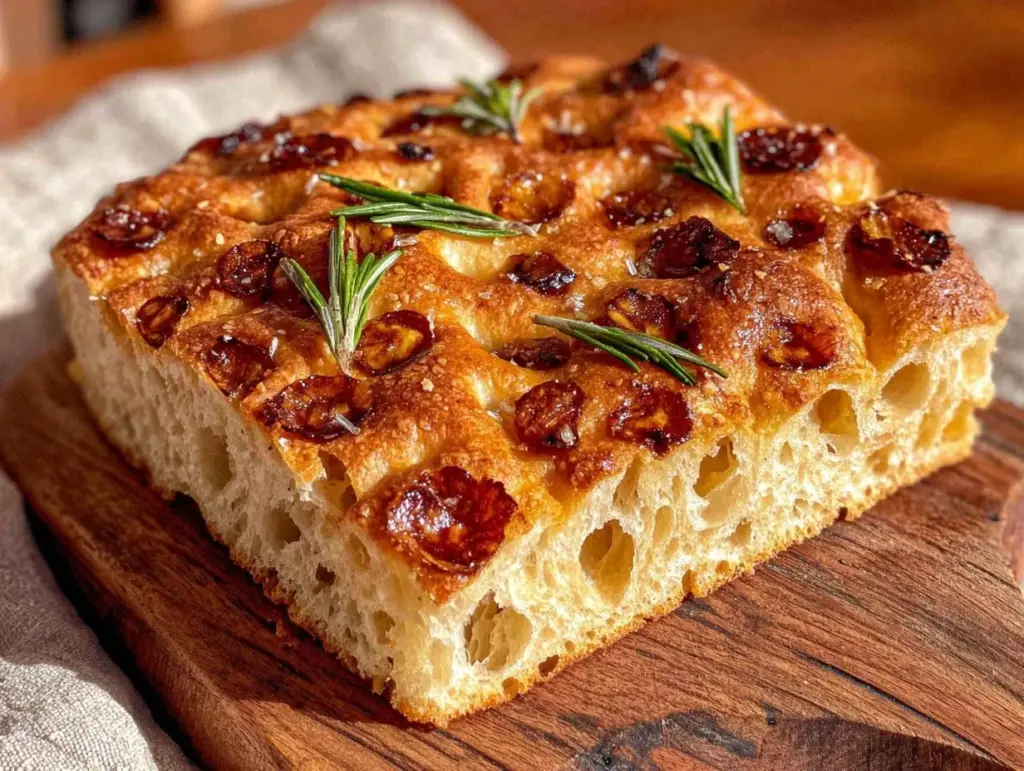
What came out of the oven wasn’t just bread. It was a victory. This beginner sourdough focaccia with garlic rosemary became my lifeline. It cost me less than a dollar to make, used ingredients I already owned, and tasted like I’d spent $12 at a bakery. Real talk: I’ve made this 15 times since then. Sometimes I add a little bit of the honey garlic chicken wings leftovers on top for a savory snack, but mostly, I just eat it plain with a drizzle of cheap olive oil.
This isn’t a fancy, artisanal, three-day fermentation project. This is a 1-person budget hack for people who want real, fermented bread without the stress. If you’re watching your wallet like I am, you’ll love how this recipe stretches every penny. It’s forgiving, it’s cheap, and it smells like heaven while it bakes. Let’s get into why this specific version of sourdough focaccia changed my weeknight dinners forever.
Why You’ll Love This Beginner Sourdough Focaccia
I know what you’re thinking. “Sourdough? Isn’t that hard? Isn’t it expensive?” I felt the same way until I realized that sourdough is basically free bread if you have a starter. Here’s why this beginner sourdough focaccia with garlic rosemary is the best thing you’ll bake this month:
- Pennies Per Slice — Flour, water, salt, and oil. That’s it. No yeast packets, no expensive imported flours. I make this for under $0.50 per loaf. Compare that to $6 at the grocery store.
- Zero Stress Timing — Unlike traditional sourdough that needs precise timing, this focaccia is forgiving. I often leave it to rise overnight in the fridge while I sleep. It handles my chaotic schedule better than I handle my budget.
- Uses Up “Sad” Ingredients — Had some limp rosemary? A bit of garlic that’s starting to sprout? This recipe is the perfect graveyard for wilting herbs and old veggies. Nothing goes to waste.
- Perfect for One — You can easily halve this recipe or make it in a small pan. No more ending up with a giant loaf that goes stale before you finish it. It’s tailored for single households.
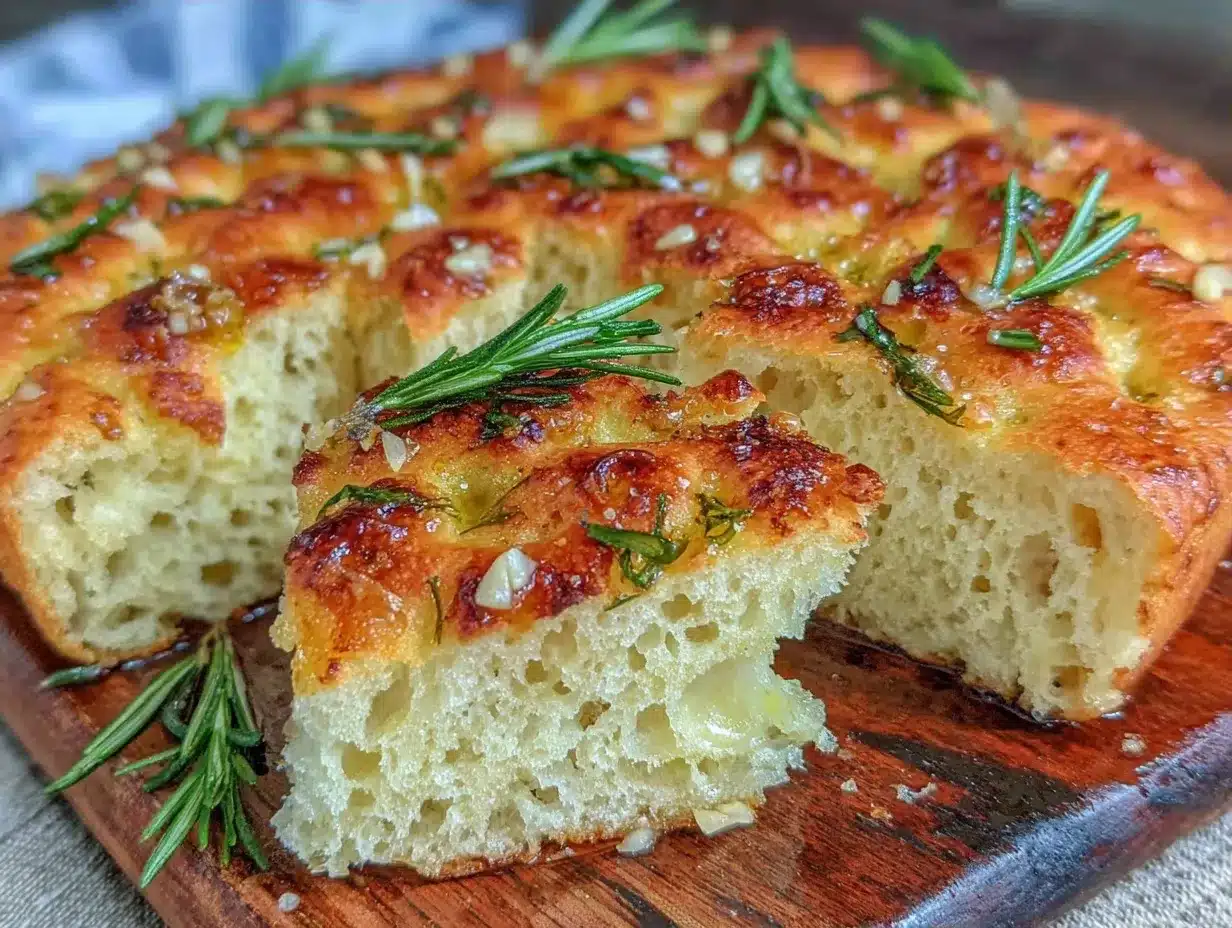
- Restaurant Quality at Home — The bubbles, the crispy edges, the soft interior. It tastes like you’re in an Italian bistro, but you’re in your pajamas saving money.
This is my go-to when I need comfort food that doesn’t hurt my bank account. It’s practical, it’s tasty, and it’s the definition of a budget hack.
Key Ingredients for Your Budget Sourdough Focaccia
Here’s the thing about budget cooking: you don’t need fancy ingredients. You need the right ratio of cheap staples. For this beginner sourdough focaccia with garlic rosemary, here is exactly what you need, with precise measurements so you don’t waste a single gram.
All-Purpose Flour (250g / 1 ¾ cups)
Don’t overthink this. Standard, cheap all-purpose flour works perfectly. I buy the largest bag I can find at the discount store. Bread flour makes a chewier crust, but for focaccia, you want something tender, and AP flour delivers that for pennies. Tip: Store it in an airtight container to keep bugs out.
Water (200g / ¾ cup + 1 tbsp)
Tap water is fine. You don’t need filtered or sparkling. Just room temperature or slightly warm water helps activate the starter. Tip: If your kitchen is cold, warm the water slightly to help the dough rise.
Sourdough Starter (50g / ⅓ cup)
Active, bubbly starter is key. If yours is sluggish, feed it a little flour and water an hour before you start. You need about 50 grams. If you don’t have a starter, this recipe won’t work, but honestly, starting one is the cheapest way to get free bread forever.
Olive Oil (30g / 2 tbsp + more for the pan)
This is where the flavor comes from. Use a decent extra virgin olive oil for the topping, but you can use a cheaper neutral oil for mixing if you’re really stretching. Tip: Don’t skimp on the oil in the pan. It creates that crispy, golden bottom layer.
Salt (5g / 1 tsp)
Kosher salt is best because it’s easy to measure, but table salt works too. Just use half the amount if you’re using fine table salt. Salt controls the fermentation and adds flavor. Tip: Add salt after mixing the flour and water to avoid killing the yeast activity slightly.
Fresh Rosemary (1 tbsp, chopped)
Fresh is better, but dried works in a pinch. If you have a herb garden or buy a small bunch, this lasts weeks in the fridge wrapped in a damp paper towel. Tip: Chop it finely so you get a burst of flavor in every bite.
Garlic (2 cloves, minced)
Two cloves. Not one, not four. Two. Fresh garlic only. Jarred garlic has a metallic taste that ruins the delicate sourdough flavor. Tip: Mince it finely so it doesn’t burn in the hot oven.
Tools Needed for Easy Focaccia
You don’t need fancy equipment. I’m not going to lie to you and say you need a $200 ceramic baker’s stone. Here’s what I actually use:
8×8 Inch Baking Pan — I use a cheap metal square pan. It conducts heat well and makes the edges crispy. Glass pans work but take longer to bake. Alternative: A cast-iron skillet works great for that rustic look.
Large Mixing Bowl — Any bowl that’s big enough to let you mix without making a mess. I use a worn-out plastic one from college. It still works fine.
Plastic Wrap or Damp Towel — To cover the dough while it rises. Keeps it from drying out. Tip: A damp kitchen towel is reusable and cheaper than plastic wrap.
Silicone Brush or Spoon — For drizzling the olive oil. I use a cheap silicone brush, but a spoon works too if you’re lazy.
Sharp Knife or Pizza Cutter — To score the dough before baking. This helps it expand evenly. Tip: Don’t press too hard, just make indentations.
How to Make Beginner Sourdough Focaccia
Let’s make this! I’m walking you through exactly how I do it. It’s simple, but there are a few tricks to get those big bubbles.
Step 1: Mix the Dough (5 minutes)
In your large bowl, combine the 250g flour and 5g salt. Mix them together. Then, add the 50g active sourdough starter and 200g water. Mix with your hands or a sturdy spoon until no dry flour remains. The dough will be shaggy and sticky. That’s good. Don’t add more flour. Why it matters: Hydration is key for open crumb structure.
Step 2: Autolyse and Rest (30 minutes)
Let the dough sit covered for 30 minutes. This allows the flour to hydrate fully and gluten to start forming without you doing any work. Sensory cue: The dough will look smoother and more cohesive after this rest.
Step 3: Stretch and Fold (5 minutes)
Wet your hands to prevent sticking. Grab one side of the dough, stretch it up, and fold it over the center. Do this for all four sides. Repeat this process three times, 15 minutes apart. Common mistake: Don’t knead it like bread. Just stretch and fold. Overworking makes it tough.
Step 4: First Rise (4-6 hours or Overnight)
Let the dough rise in the bowl until it’s puffy and jiggly. If you’re short on time, leave it on the counter for 4-6 hours. If you want better flavor, cover it and put it in the fridge overnight. Tip: The overnight rise is my favorite for budget baking because it fits my schedule.
Step 5: Prep the Pan (5 minutes)
Generously oil your 8×8 pan. Pour 2 tablespoons of olive oil into the pan. Use your brush or fingers to spread it everywhere. Why it matters: The oil pools at the bottom, creating those signature crispy, fried edges.
Step 6: Transfer and Shape (5 minutes)
Gently transfer the dough into the oiled pan. It will resist at first. Let it rest for 5 minutes, then gently stretch it to the corners. Don’t be afraid to tear it; you can patch it. Sensory cue: The dough should feel soft and airy.
Step 7: Second Rise (1-2 hours)
Let the dough rise in the pan until it looks puffy and fills the corners. Timing: This takes about 1-2 hours at room temperature.
Step 8: Add Toppings and Bake (25 minutes)
Preheat your oven to 425°F (220°C). With oiled fingers, press deep dimples into the dough. This is the fun part! Sprinkle the minced garlic and chopped rosemary over the top. Drizzle with another tablespoon of olive oil. Bake for 20-25 minutes until golden brown. What to watch for: If the top browns too fast, cover loosely with foil.
Total Time Breakdown: Prep: 20 minutes. Rise: 4-6 hours (or overnight). Bake: 25 minutes. Total active time: Less than 30 minutes.
Expert Tips from a Budget Baker
Here’s everything I learned from making this too many times. These tips saved me from ruined loaves and wasted ingredients.
The Game-Changers:
Don’t Rush the Rise
The first time I made this, I rushed the second rise because I was hungry. The bread came out dense and flat. Let it get puffy. If it doesn’t look airy, it won’t taste airy. Patience is free.
Use Cold Water for Overnight Rises
If you’re doing the fridge rise, use cold water. It slows down fermentation so the dough doesn’t over-proof while you sleep. Personal note: I learned this after finding a soupy mess in my pan one morning.
Dimple Deeply
Don’t just poke holes. Press your fingers down to the bottom of the pan. This creates pockets for the oil and garlic, ensuring every bite is flavorful. Why it matters: Shallow dimples mean dry bread.
Common Problems & Solutions:
Dough is Too Sticky
Don’t add flour! It’s supposed to be sticky. Wet your hands instead. Adding flour changes the hydration ratio and makes the bread dense.
Bread is Flat
Your starter might be weak. Feed it for a few hours before using it, or ensure your second rise was long enough.
Tops Burned, Bottoms Raw
Lower the oven temperature to 400°F (200°C) and bake for longer. Or, cover the top with foil halfway through baking.
Pro Tricks:
Save the Scraps
If you have leftover dough scraps, bake them as “focaccia bites” with extra cheese. No waste, just snacks.
Freeze for Later
This freezes beautifully. Wrap cooled slices in plastic wrap and foil. Reheat in the toaster oven for a fresh-baked taste.
Recipe Variations for Your Budget Pantry
Once you’ve nailed the basic version, here’s how to mix it up without spending extra money.
Savory Herb Focaccia
Skip the garlic. Use thyme, oregano, or basil instead. Why it works: Different herbs change the flavor profile completely. Thyme pairs well with cheap roasted potatoes.
Garlic Butter Focaccia
Melt 1 tbsp butter with the olive oil for the topping. Personal note: This feels like a treat but costs almost the same.
Simple Cheese Focaccia
Sprinkle shredded mozzarella or parmesan on top before baking. Tip: Use whatever cheese is on sale or near expiration.
Gluten-Free Option
Use a 1:1 gluten-free flour blend. Note: The texture will be slightly different, but still delicious.
Vegan Modification
This recipe is naturally vegan. Just ensure your olive oil and herbs are plant-based. Easy win for budget vegans.
Leftover Topping Hack
Add crumbled bits from the BBQ pulled pork sliders for a hearty lunch. Why it works: It uses up leftovers and adds protein.
Serving & Storage for One
Serving
I serve this warm, torn into pieces. It’s perfect for dipping. Pair it with a simple side of watermelon feta skewers for a light summer meal, or a bowl of tomato soup for comfort. Topping suggestion: A sprinkle of flaky sea salt adds crunch.
Storage
Room Temp: Store in an airtight container for up to 2 days. Warning: It will stale faster than bread without preservatives.
Refrigerator: Not recommended. It dries out the bread. My take: Skip the fridge.
Freezer: Freeze for up to 3 months. Wrap tightly in plastic and foil. Meal prep tip: Slice before freezing for easy individual portions.
Nutrition Information
I’m not a nutritionist, but here’s the breakdown per slice (makes 9 slices):
| Nutrient | Amount |
|---|---|
| Calories | 180 |
| Protein | 4g |
| Carbs | 28g |
| Fiber | 1.5g |
| Fat | 6g |
| Sodium | 250mg |
My Take: This is comfort food with olive oil and flour. It’s not diet food, but it’s whole-food based and cheaper than any processed snack. I know exactly what’s in it, and that’s worth something.
Final Thoughts
This beginner sourdough focaccia with garlic rosemary is more than just bread. It’s proof that you can eat well on a tight budget. It’s flexible, forgiving, and deeply satisfying. I hope you try it and find your own version of that Tuesday night victory. If you make this, drop a comment! I love hearing how it turns out in your kitchen. Happy cooking!
FAQs
Can I use dried rosemary instead of fresh?
Yes, but use half the amount. Dried herbs are more potent. I’ve used dried rosemary when my fresh batch wilted, and it still tasted great.
Why did my focaccia turn out dense?
This usually happens if you under-proofed the dough. Let it rise until it’s visibly puffy and jiggly. Also, avoid adding too much extra flour when handling the sticky dough.
Can I make this without a sourdough starter?
This specific recipe relies on sourdough fermentation. If you don’t have a starter, you’d need to adjust the recipe to use commercial yeast, but the flavor and texture will be different.
How do I store leftover focaccia?
Keep it in an airtight container at room temperature for 1-2 days. For longer storage, freeze it. Don’t refrigerate, as it will stale quickly.
Is this recipe budget-friendly?
Absolutely. The main ingredients are flour, water, salt, and oil. With a starter, the cost per loaf is under $1. It’s one of the most economical ways to make fresh bread.
Can I double the recipe?
Yes, but use a larger pan or two smaller pans. Keep an eye on baking time, as thicker layers may need a few extra minutes.
Pin This Recipe!
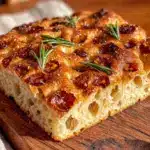
Beginner Sourdough Focaccia: 1-Person Budget Hack
- Total Time: 4 hours 45 minutes
- Yield: 9 servings 1x
Description
A forgiving, budget-friendly sourdough focaccia recipe tailored for single households. This garlic rosemary focaccia costs less than a dollar to make, requires minimal active time, and delivers restaurant-quality flavor using simple pantry staples.
Ingredients
- 250g (1 ¾ cups) All-Purpose Flour
- 200g (¾ cup + 1 tbsp) Water, room temperature or slightly warm
- 50g (⅓ cup) Active Sourdough Starter
- 30g (2 tbsp) Olive Oil, plus more for the pan
- 5g (1 tsp) Kosher Salt
- 1 tbsp Fresh Rosemary, chopped
- 2 cloves Garlic, minced
Instructions
- In a large bowl, combine the flour and salt. Mix to combine.
- Add the active sourdough starter and water. Mix with hands or a sturdy spoon until no dry flour remains. The dough will be shaggy and sticky.
- Let the dough sit covered for 30 minutes to autolyse.
- Wet your hands to prevent sticking. Grab one side of the dough, stretch it up, and fold it over the center. Repeat for all four sides. Perform this stretch and fold process three times, 15 minutes apart.
- Let the dough rise in the bowl until puffy and jiggly. This takes 4-6 hours at room temperature, or you can refrigerate it overnight for better flavor.
- Generously oil an 8×8 inch baking pan with olive oil. Spread it evenly across the bottom and sides.
- Gently transfer the dough into the oiled pan. Let it rest for 5 minutes, then gently stretch it to the corners. Do not worry if it tears slightly.
- Let the dough rise in the pan for 1-2 hours until it looks puffy and fills the corners.
- Preheat oven to 425°F (220°C). With oiled fingers, press deep dimples into the dough.
- Sprinkle the minced garlic and chopped rosemary over the top. Drizzle with another tablespoon of olive oil.
- Bake for 20-25 minutes until golden brown. If the top browns too quickly, cover loosely with foil.
Notes
Do not add extra flour if the dough is sticky; wet your hands instead. For overnight rises, use cold water to slow fermentation. Ensure the second rise is complete to avoid dense bread. If the top browns too fast, cover with foil.
- Prep Time: 20 minutes
- Cook Time: 25 minutes
- Category: Side Dish
- Cuisine: Italian
Nutrition
- Serving Size: 1 slice
- Calories: 180
- Sodium: 250
- Fat: 6
- Saturated Fat: 1
- Carbohydrates: 28
- Fiber: 1.5
- Protein: 4
Keywords: sourdough focaccia, budget baking, beginner sourdough, garlic rosemary bread, one person recipes, cheap meals, vegan bread, gluten-free option