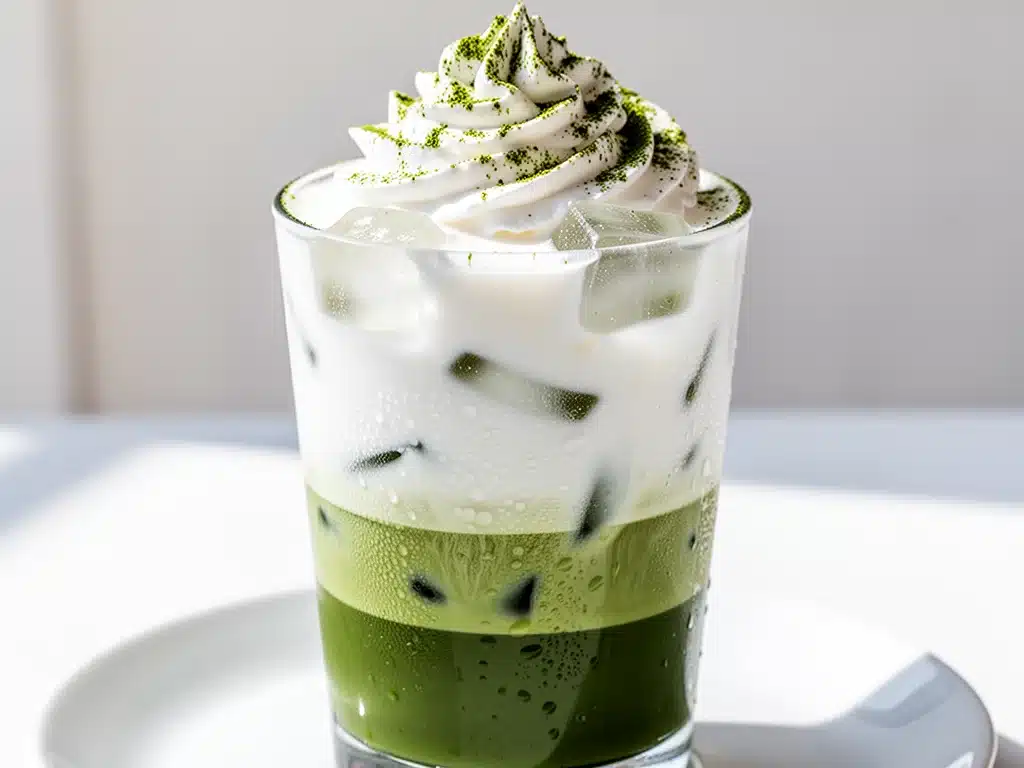
It’s 6:45 AM on a Tuesday. My coffee machine is making that familiar grinding noise, and I’m staring at the menu on my phone, debating whether to spend $8 on an iced latte. Again. I’ve been there. You know the spot. You want the caffeine hit, but you also want to feel like you’re treating yourself, not just funding someone else’s mortgage. That morning, I decided enough was enough. I grabbed my whisk, a bag of matcha, and a carton of coconut milk, and within three minutes, I had something infinitely better than what I would have bought.
This iced matcha coconut latte isn’t just a drink; it’s my morning reset button. It’s creamy, it’s naturally sweet, and it’s dairy-free, which means my stomach stays happy even when the caffeine kicks in. I’ve made this recipe at least twice a week for the last six months, and honestly? It’s replaced my morning coffee ritual entirely. The vibrant green color alone wakes me up, and the flavor is so rich you’d never guess it’s made with just a handful of simple ingredients.
If you’ve been curious about matcha but intimidated by the cost or the complexity, this is your entry point. It’s stupidly simple. It’s budget-friendly. And it tastes like a vacation in a glass. I’m going to walk you through exactly how to make the best version, including the little tricks that keep it from getting bitter or watery. Once you try this, I promise you’ll never look at a café menu the same way again.
Why You’ll Love This Iced Matcha Coconut Latte
There are about a dozen reasons I keep making this drink, but if I had to pick the ones that really matter, they’d look like this:
Naturally Creamy Without Dairy — Coconut milk gives this latte a luxurious, velvety texture that rivals whole milk or oat milk. It’s rich without being heavy. I’ve tried almond milk (too thin) and oat milk (too sweet for my taste), but full-fat coconut milk is the gold standard for this specific drink. It creates that perfect mouthfeel that makes you close your eyes when you take the first sip.
Only Three Real Ingredients — Seriously. Matcha, coconut milk, and a little bit of sweetener. That’s it. No fancy syrups, no complicated frothing techniques, no expensive equipment you’ll use once and forget about. If you can boil water and pour a carton, you can master this. I’ve made this for guests who are total matcha beginners, and they’re always shocked at how easy it was.
Calm Energy, No Jitters — This is the big one for me. Coffee gives me the shakes by 10 AM. Matcha has L-theanine, an amino acid that promotes relaxation without drowsiness. It smooths out the caffeine buzz. I feel alert and focused, not wired and anxious. It’s the perfect morning fuel for when I have a busy day of writing or cooking ahead of me.
Ready in Under 5 Minutes — From start to finish, this drink takes about 3 minutes. I don’t have to wait for a water heater, I don’t have to wait in line, and I don’t have to clean a complicated espresso machine. I just whisk, pour, and drink. It’s the ultimate lazy-person luxury.
Instagram-Worthy Color — Look, I’m not going to lie. The bright neon-green color is addictive. I love taking a photo of it on my porch before I take my first sip. It feels fresh and vibrant. Plus, the contrast of the white coconut milk swirling into the green matcha is just visually satisfying. It’s a drink that looks as good as it tastes.
This is my go-to when I want to start the day right but don’t want the hassle. No weird ingredients, no complicated steps, just reliable, delicious fuel that makes me feel good.
Ingredients You’ll Need
Here’s the best part: you probably have most of this already. This isn’t a recipe that requires a trip to three different specialty stores. It’s pantry-friendly and simple.
The Matcha
Ceremonial Grade Matcha Powder (2 teaspoons / about 4 grams) — This is non-negotiable if you want it to taste good. Culinary grade is bitter and grassy; ceremonial grade is smooth, sweet, and vibrant. I always buy from a brand that sources directly from Japan, like Ito En or Encha. Look for a bright green color. If it’s dull or yellowish, it’s old or low quality. I keep a small tin in my pantry because once you go ceremonial, you can’t go back.
The Liquid
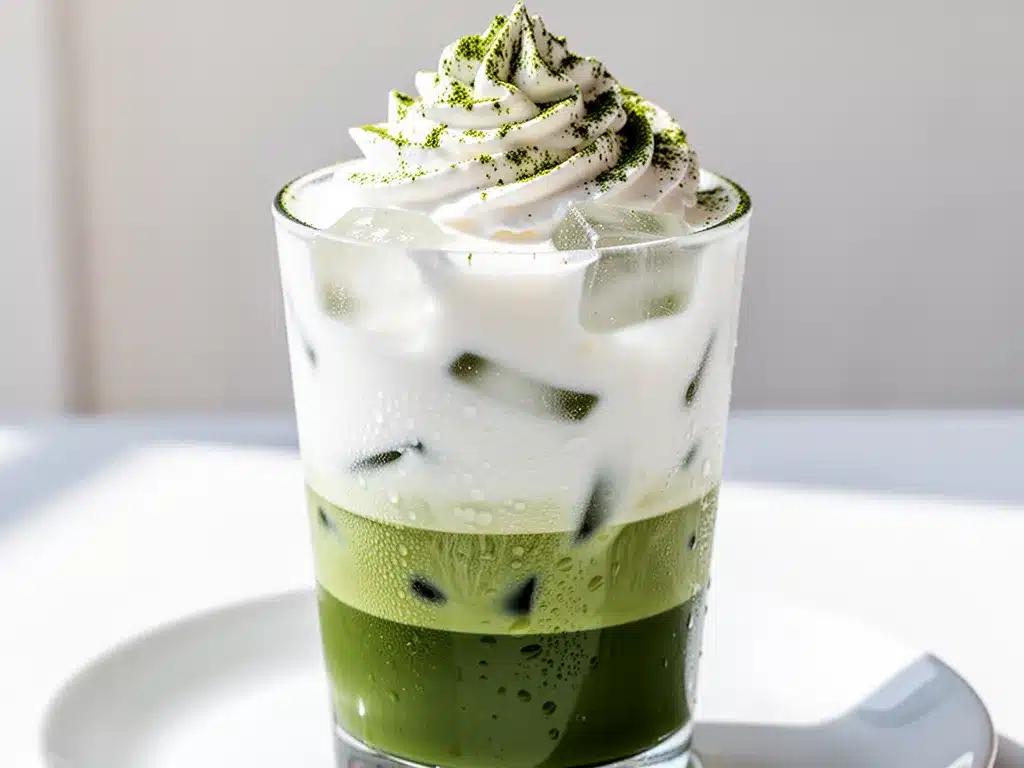
Coconut Milk (Canned or Carton) — I use two types here, and it matters. For the base latte, I use carton coconut milk (the kind you drink from a carton) if you want it lighter. But for that rich, creamy texture I mentioned? I use full-fat canned coconut milk (about ¼ cup). It’s thicker and richer. If you’re watching calories, use the carton version, but I promise the canned version is worth the extra few calories. It makes the drink feel indulgent.
Hot Water (2 tablespoons / 30ml) — Just enough to whisk the matcha into a paste. Don’t use boiling water! Boiling water burns the matcha and makes it bitter. I let my kettle sit for 2 minutes after it boils. Around 175°F (80°C) is perfect.
The Sweetener
Simple Syrup or Honey (1-2 teaspoons) — Matcha is naturally earthy, so a little sweetness balances it out. I use vanilla simple syrup because it adds flavor, but honey works too. Agave is another good option if you’re vegan. Start with 1 teaspoon and add more if you like it sweeter. You can always add more, but you can’t take it away.
Optional Add-Ins
Ice Cubes — Obviously. But I like to use coconut water ice cubes if I have them. It adds extra coconut flavor without watering it down.
Vanilla Extract — A tiny drop (¼ teaspoon) enhances the coconut flavor. It’s subtle but nice.
Whipped Coconut Cream — If I’m feeling fancy, I top it with a dollop of whipped coconut cream. It’s basically the same as regular whipped cream but dairy-free. Just whip the solid part of a cold can of coconut milk with a little sugar.
Shopping Tips
Brand Recommendations: I always use Ito En ceremonial grade matcha. It’s widely available and consistent. For coconut milk, Thai Kitchen canned coconut milk is reliable and doesn’t have weird gums or additives.
Storage: Matcha loses its potency quickly once opened. Keep it in the fridge or freezer in an airtight container. It lasts about 6-8 months if stored properly. If it smells dull or tastes bitter, it’s time to replace it.
Equipment Needed
You don’t need fancy equipment for this. Here’s what I actually use:
Bamboo Whisk (Chasen) — This is the traditional tool, and it works better than a spoon. The bristles break up the matcha clumps and create a nice foam. I love the sound it makes when I whisk. If you don’t have one, a small regular whisk works, but it’s not quite as effective. I got my bamboo whisk at a local Asian market for about $5.
Small Bowl or Mug — Anything with a wide base works. I use a small ceramic bowl because it’s easy to whisk in a circular motion.
Measuring Spoons — For the matcha and sweetener. Accuracy helps, but eyeballing it is fine if you’ve made this a few times.
Highball Glass or Tall Glass — I like to serve this in a tall, clear glass so you can see the layers. It looks pretty. Any tall glass works, though.
Ice Cube Tray — Standard stuff. But again, try coconut water ice cubes if you want to level up.
Optional but nice:
Milk Frother — If you want to froth the coconut milk before pouring, a handheld frother works great. It adds a nice texture. But it’s not necessary.
How to Make It: Step-by-Step
Alright, let’s make this! I’m walking you through exactly how I do it, including the little tricks I’ve picked up.
Step 1: Sift the Matcha (1 minute)
Before you start whisking, sift the matcha powder into your small bowl. This is crucial. Matcha clumps easily because it’s so fine. Sifting removes those clumps so you get a smooth, lump-free paste. I use a small fine-mesh sieve. If you skip this step, you’ll end up with little green balls in your drink, and nobody wants that.
Step 2: Make the Matcha Paste (2 minutes)
Add 2 tablespoons of hot water (not boiling!) to the sifted matcha. Using your bamboo whisk, whisk vigorously in a “W” or “M” motion. Don’t stir in circles; the back-and-forth motion creates the foam and breaks up the powder. You want a smooth, bright green paste with a little bit of foam on top. This should take about 15-20 seconds. If it’s lumpy, keep whisking. If it’s too thick, add a tiny splash more water.
Step 3: Sweeten the Paste (30 seconds)
Stir in your sweetener (simple syrup, honey, or agave) directly into the matcha paste. Whisk it in until it’s fully combined. This ensures the sweetness is evenly distributed and doesn’t sink to the bottom of your glass. Taste it—it should be slightly sweeter than you like, because the coconut milk will dilute the sweetness.
Step 4: Prepare the Glass (1 minute)
Fill a tall glass with ice cubes. If you’re using canned coconut milk, you’ll need to shake the can well before opening, or use a spoon to scoop the thick cream from the top. Pour about ¼ cup of the thick coconut cream into the bottom of the glass. This creates a rich base. Then, pour in the rest of your coconut milk (carton or remaining canned) over the ice, leaving a little room at the top.
Step 5: Pour and Swirl (1 minute)
Pour the matcha paste over the ice and coconut milk. Don’t stir it immediately! Let it sit for a few seconds so the green layer floats on top. Then, gently swirl the glass or use a straw to mix it. You’ll see beautiful green swirls mixing with the white coconut milk. It’s mesmerizing. If you want a uniform color, just stir it well. If you want the pretty layered look, pour it slowly over the back of a spoon.
Step 6: Serve and Enjoy
Add a straw, maybe a sprig of mint or a lime wedge for garnish (optional), and drink immediately. The ice will melt a bit, which is fine—it actually thins the drink to a perfect consistency. This is best enjoyed fresh. If you let it sit too long, the matcha flavor can get a bit bitter as it oxidizes.
Total Time: About 5 minutes (3 minutes active, 2 minutes mostly hands-off)
Built-in Troubleshooting
Matcha is bitter: Your water was too hot, or your matcha is low quality. Use water around 175°F and buy ceremonial grade.
Drink is too thick: You used too much canned coconut cream. Add a splash of water or more coconut milk to thin it out.
Drink is too sweet: Next time, use less sweetener. Coconut milk is naturally sweet, so you might not need as much as you think.
Expert Tips & Tricks
Here’s everything I’ve learned from making this dozens of times. These tips will save you from my mistakes.
Water Temperature is Key
This is the #1 tip. Never use boiling water on matcha. It scorches the leaves and creates a bitter, astringent taste. Let your kettle sit for 2 minutes after boiling. If you don’t have a thermometer, wait until the bubbling stops. The water should be hot but not screaming.
Whisk Until Foam Forms
The foam isn’t just for looks. It indicates that you’ve properly dispersed the matcha. If there’s no foam, your matcha might be old or you didn’t whisk enough. A good whisk creates a velvety surface that feels luxurious.
Shake Your Coconut Milk
Canned coconut milk separates in the can. The cream rises to the top. Shake the can vigorously before opening, or stir it thoroughly with a spoon. If you scoop out just the cream, your latte will be very thick. If you want a lighter drink, mix the cream and water back together before measuring.
Use Cold Coconut Milk
For the best texture, use cold coconut milk. If you’re using canned milk, chill it in the fridge overnight. The cold temperature helps keep the drink refreshing and prevents the ice from melting too quickly.
Don’t Skip the Sift
I know it’s an extra step, but sifting makes a huge difference. Lumpy matcha is unpleasant. Take the 30 seconds to sift. Your taste buds will thank you.
Common Mistakes (and how to avoid them):
Mistake: Drink is watery
Fix: You used too much ice or not enough coconut milk. Use less ice or more coconut milk. The ratio should be roughly 1 part matcha paste to 3 parts coconut milk.
Mistake: Matcha tastes grassy
Fix: Your matcha is likely culinary grade, which is meant for baking, not drinking. Switch to ceremonial grade. It’s more expensive but tastes so much better.
Pro Tricks I’ve Learned:
For Extra Flavor
Add a pinch of salt to the matcha paste. It enhances the sweetness and balances the bitterness. It’s a chef’s secret that works wonders.
For Better Texture
If you have a milk frother, froth the coconut milk before pouring it over the ice. It adds air and makes the drink feel lighter and fluffier.
Make-Ahead Strategy
You can make the matcha paste ahead of time and store it in the fridge for up to 24 hours. Just whisk it again before using. But for the best flavor, make it fresh.
Variations & Substitutions
Once you’ve nailed the basic version, here’s how you can mix it up. I’ve tried all of these.
Coconut Water Version
Swap half the coconut milk for coconut water. It’s lighter and more hydrating. Great for hot days. I add a little extra sweetener because coconut water isn’t sweet.
Oat Milk Matcha Latte
If you’re not a fan of coconut, oat milk is the best dairy-free alternative for matcha. It’s creamy and neutral. Use the same method, but skip the canned cream step.
Vanilla Matcha Latte
Add ½ teaspoon of vanilla extract to the matcha paste. It complements the coconut flavor beautifully. This is my favorite variation.
Spiced Matcha Latte
Add a pinch of cinnamon or cardamom to the matcha paste. It adds warmth and complexity. Great for cooler weather.
Protein-Packed Matcha Latte
Stir in a scoop of vanilla protein powder after pouring the coconut milk. It turns your drink into a breakfast shake. I use a whey isolate or plant-based protein.
Dietary Modifications:
Sugar-Free
Use stevia or monk fruit sweetener instead of honey or syrup. Coconut milk is naturally low-carb, so this is keto-friendly if you use canned coconut milk.
Vegan
This recipe is already vegan if you use maple syrup or agave instead of honey. Check your sweetener to be sure.
Lower-Calorie
Use light coconut milk or almond milk. It’s not as creamy, but it’s lighter. I use this version when I’m trying to watch my calorie intake.
Serving & Storage
How to Serve:
I usually serve this straight from the blender or whisk into a tall glass. It looks rustic and refreshing. But here are other ways I’ve enjoyed it:
Side Dishes:
This drink pairs well with light breakfasts. I like it with easy pumpkin bread or a simple avocado toast. It’s not heavy, so it doesn’t weigh you down.
Toppings Bar:
When I have guests, I put out: coconut whipped cream, crushed pistachios, and a drizzle of caramel sauce. Everyone customizes their drink.
Wine Pairing:
This is a morning drink, so wine isn’t really on the table. But if you’re having it in the evening as a caffeine-free alternative (just skip the matcha), it pairs well with a light dessert like healthy pumpkin bars.
Storage Instructions:
Refrigerator:
Store the matcha paste in an airtight container for up to 24 hours. The coconut milk should be used fresh. Don’t store the mixed drink—it will separate and taste weird.
Reheating:
This is an iced drink, so reheating isn’t really an option. But if you want a hot version, skip the ice and use hot coconut milk instead. It’s delicious too.
Freezing:
Matcha doesn’t freeze well. The flavor degrades. Make it fresh.
Meal Prep:
Make the matcha paste on Sunday, store in the fridge. Mix with coconut milk and ice each morning. Takes 2 minutes and tastes way better than buying it.
Nutrition Information
I’m not a nutritionist, but here’s the breakdown if you’re tracking.
Per Serving (based on 1 drink):
- Calories: 120
- Protein: 2g
- Carbs: 8g
- Fiber: 1g
- Sugar: 6g
- Fat: 8g
- Saturated Fat: 7g
- Cholesterol: 0mg
- Sodium: 50mg
What’s Good:
- Low in calories compared to café lattes
- Healthy fats from coconut milk
- Antioxidants from matcha
- Dairy-free and vegan-friendly
What to Know:
- Higher in saturated fat from coconut milk
- Contains natural sugars
- Caffeine content varies (approx. 35-70mg per serving)
My Take:
Look, this is a treat. It’s not a diet drink. But it’s way better than the sugary, artificial stuff you get at a coffee shop. It’s natural, it’s refreshing, and it makes me feel good. When I want to make it lighter, I use coconut water instead of coconut milk. But usually? I just enjoy it as is.
Final Thoughts
So that’s my go-to iced matcha coconut latte! I’ve probably talked your ear off at this point, but when you make a recipe this often, you have a lot to say about it.
This has saved my mornings more times than I can count. It’s my answer to “what should I drink” when I’m tired, don’t want coffee jitters, and still want something that tastes really good. My energy is steady, my stomach is happy, and I’m happy because I’m not spending $8 every day.
Make it yours! Try different sweeteners, swap in your favorite milk, adjust the matcha strength. The best recipes are the ones you adapt to your tastes. And if you want something sweet to go with it, try these pumpkin snickerdoodle cookies for a perfect fall pairing.
If you make this, drop a comment and let me know what you think! I love hearing how recipes turn out in your kitchen. And if something doesn’t work, tell me that too—I’m here to help troubleshoot.
Happy sipping! And I hope your morning feels half as good as mine does right now.
Frequently Asked Questions
Can I use culinary grade matcha instead of ceremonial?
You can, but the taste will be very different. Culinary grade is more bitter and grassy, and it’s meant for baking. If you use it, add more sweetener to balance the bitterness. But for the best flavor, stick with ceremonial grade. It’s worth the extra cost.
Why is my matcha clumpy?
Matcha powder is very fine and clumps easily. Always sift it before whisking. If you don’t have a sieve, you can press it through your fingers, but a sieve is better. Also, make sure your water isn’t too hot, as heat can cause clumping.
Can I make this ahead for a party?
Sort of. Make the matcha paste up to 24 hours ahead and store in the fridge. Mix with coconut milk and ice right before serving. It won’t be quite as fresh, but it’s close and saves you stress during the party. I do this all the time.
Why did my matcha taste bitter?
Usually, the water was too hot, or the matcha was low quality. Use water around 175°F and buy ceremonial grade matcha. Also, make sure you’re using enough sweetener to balance the earthiness.
Can I use almond milk instead of coconut milk?
You can, but the drink will be thinner and less creamy. If you want a creamy texture, use oat milk or cashew milk. Almond milk is great for a lighter option, but it won’t have that rich, indulgent feel.
How much caffeine is in this drink?
It depends on the amount of matcha you use. Generally, 2 teaspoons of matcha has about 35-70mg of caffeine, which is less than a cup of coffee. It’s a moderate amount that gives you energy without the jitters.
Can I freeze this drink?
Not really. The coconut milk will separate when thawed, and the matcha flavor will degrade. Make it fresh. If you want a frozen drink, blend it with ice and freeze the matcha paste in ice cube trays for later use.
Pin This Recipe!
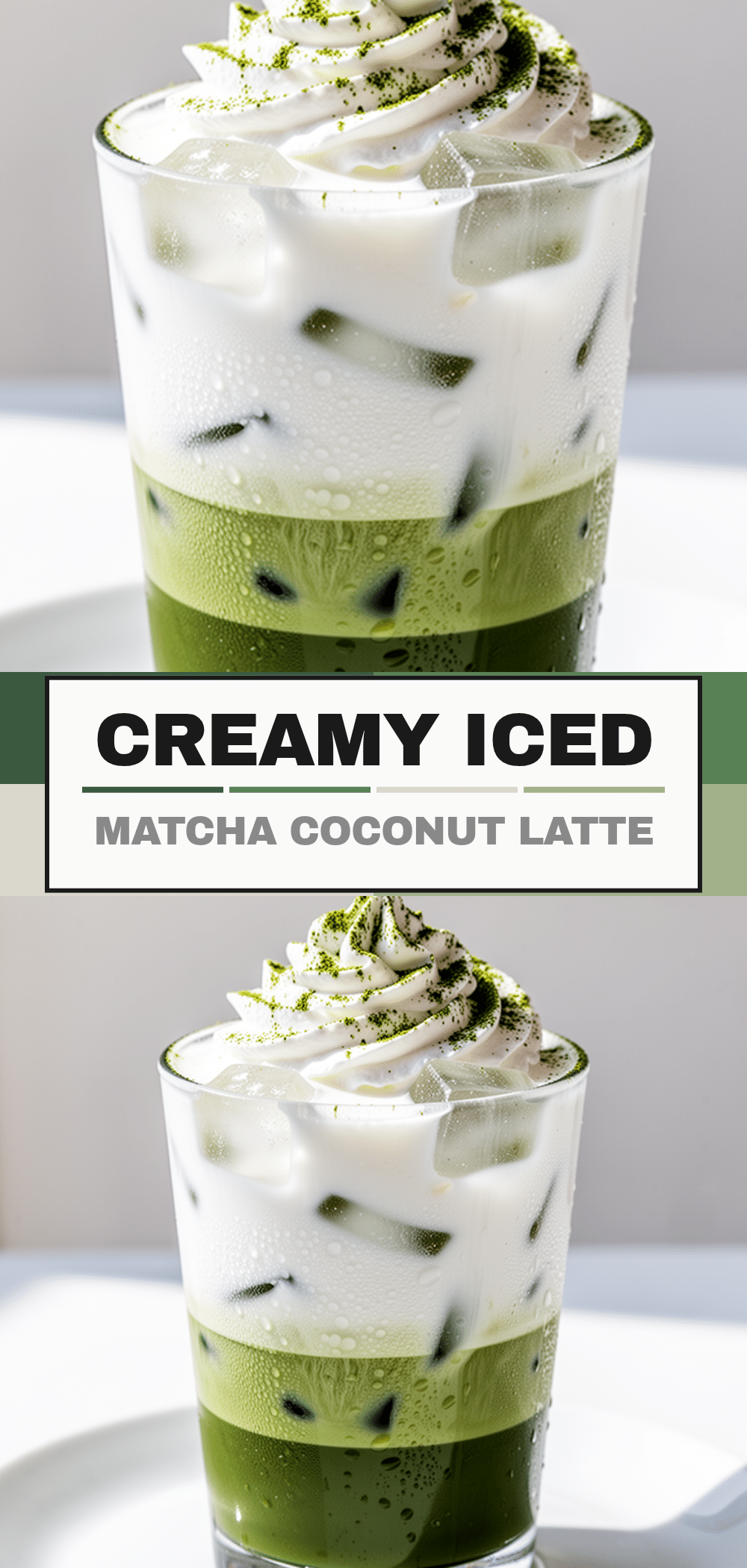
Iced Matcha Coconut Latte: 3-Ingredient Dairy-Free Recipe
- Total Time: 5 minutes
- Yield: 1 serving 1x
Description
A creamy, dairy-free iced matcha latte made with just three simple ingredients: ceremonial grade matcha, coconut milk, and a sweetener. Ready in under 5 minutes, this drink provides calm energy without jitters.
Ingredients
- 2 teaspoons ceremonial grade matcha powder
- 2 tablespoons hot water (around 175°F / 80°C)
- 1–2 teaspoons simple syrup, honey, or agave
- 1 cup coconut milk (carton for lighter, or ¼ cup canned full-fat coconut cream + remaining carton milk for richer texture)
- Ice cubes
- Optional: ¼ teaspoon vanilla extract, coconut water ice cubes, or whipped coconut cream
Instructions
- Sift the matcha powder into a small bowl to remove clumps.
- Add the hot water to the sifted matcha and whisk vigorously in a ‘W’ or ‘M’ motion until a smooth, bright green paste with foam forms (about 15-20 seconds).
- Stir the sweetener into the matcha paste until fully combined.
- Fill a tall glass with ice cubes.
- Pour the coconut milk (and canned cream if using) over the ice.
- Pour the matcha paste over the milk and ice. Let it sit for a few seconds, then gently swirl to mix or leave layered.
- Serve immediately with a straw.
Notes
Use water around 175°F (80°C), not boiling, to prevent bitterness. Sift the matcha to ensure a smooth texture. Shake canned coconut milk well before opening. For best flavor, consume immediately as matcha can oxidize and become bitter if left sitting.
- Prep Time: 3 minutes
- Cook Time: 0 minutes
- Category: Beverage
- Cuisine: Japanese-inspired
Nutrition
- Serving Size: 1 tall glass
- Calories: 120
- Sugar: 6
- Sodium: 50
- Fat: 8
- Saturated Fat: 7
- Carbohydrates: 8
- Fiber: 1
- Protein: 2
Keywords: iced matcha, coconut latte, dairy-free, vegan, healthy morning drink, matcha recipe, 3-ingredient recipe, caffeine alternative


