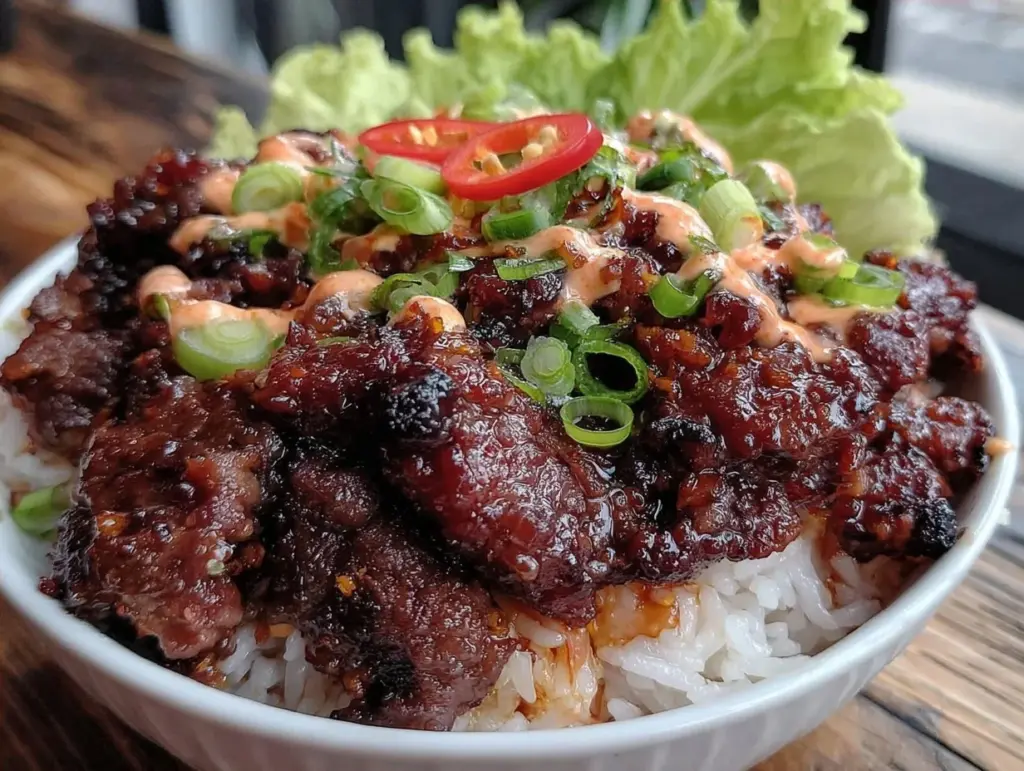
Last Friday, I was staring at a half-empty fridge and a smoker that had been cooling down for three days. I really wanted to cook, but I didn’t want to wrestle with a complicated marinade that needed twelve hours to work. I was craving something bold, something with that deep, charcoal-kissed flavor that makes you forget about your work email, but I needed it on the table before the kids got home from soccer practice. So I threw together what I thought would be a mediocre quick fix. Thirty minutes later, my husband walked in, sniffed the air, and asked me to add it to our permanent rotation. These Smoked Korean Beef Bowls take exactly 25 minutes, use pantry staples, and taste like you spent hours in a high-end Seoul restaurant. I’ve made it a dozen times since, tweaking the smoke level and spice until it was perfect.
The secret isn’t the beef. It’s the method. Most people think you need a slow smoker for good barbecue, but this recipe is all about high-heat smoking. You get that intense, smoky char without the wait. I’ve tested this Smoked Korean Beef Bowls recipe on everything from my pellet grill to a charcoal kettle, and it works every single time. The beef gets tender, the sauce glazes perfectly, and the whole house smells like a dream. If you’re tired of dry, overcooked steak and want something juicy and flavorful, this is your answer. It’s the ultimate weeknight win when you want to feel like a pro chef without the stress.
Why You’ll Love This Recipe
Here’s the thing about Smoked Korean Beef Bowls. It bridges the gap between comfort food and adventure. You get the familiar, cozy feeling of a rice bowl with the exciting, complex flavors of Korean cuisine and the rustic appeal of outdoor cooking. It’s not just dinner; it’s an experience. Here is why this recipe has become my go-to when I need dinner to just work, but still taste spectacular.
- Lightning Fast — 25 minutes from start to finish. I make this after getting home at 7pm, firing up the grill, and having it plated before the news starts. No marinating overnight required.
- Maximum Flavor, Minimum Effort — The sauce does all the heavy lifting. Soy sauce, brown sugar, garlic, and gochujang create a sticky, savory-sweet glaze that coats every bite. You don’t need to be a chef to make it taste amazing.
- Smoky Without the Wait — Using high heat smoking gives you that barbecue flavor in a fraction of the time. It’s the best of both worlds: Korean flavor with a smoky twist.
- Customizable Heat — Whether you love it spicy or mild, you control the heat. I add extra gochujang for my family, but you can skip it if you prefer a sweeter profile.
- Perfect for Meal Prep — These bowls reheat beautifully. I often make a double batch on Sunday, and the flavors actually get better as they sit in the fridge. It’s lunch sorted for the whole week.
This is my go-to when dinner needs to just work. It’s reliable, delicious, and gets me outside more often. Plus, it pairs perfectly with other grilled dishes. If you’re planning a BBQ, check out my smoked BBQ pulled pork sliders for another crowd-pleaser that shares that same smoky DNA.
Key Ingredients
You don’t need a trip to a specialty Asian market for this. Most of these items are probably already in your pantry or fridge. The quality of the beef matters, but the sauce is where the magic happens. Here’s exactly what you need to get started.
Flank Steak (1.5 lbs / 680g) — This is the cut I use. It’s lean, flavorful, and slices beautifully against the grain. Sirloin works too, but flank has that perfect chew. Look for a piece that’s uniform in thickness so it cooks evenly.
Soy Sauce (1/3 cup / 80ml) — Use low-sodium if you can, because gochujang is salty too. Regular soy sauce is fine if you taste the sauce before adding salt. It provides the umami backbone.
Brown Sugar (2 tbsp / 30g) — Dark brown sugar is best here. It has molasses notes that caramelize beautifully under the smoke. This balances the saltiness of the soy sauce.
Gochujang (2 tbsp / 30g) — This is the Korean chili paste that gives the dish its signature heat and depth. Don’t skip it. If you can’t find it, a mix of chili flakes and a little hoisin sauce works, but gochujang is authentic and worth the hunt.
Garlic (4 cloves, minced / 2 tbsp) — Yes, four cloves. Fresh only—jarred garlic tastes metallic in cream sauces and doesn’t have the punch needed here. Mince it finely so it integrates into the sauce.
Ginger (1 tbsp, freshly grated / 15g) — Fresh ginger adds a bright, zesty kick that cuts through the richness of the beef. Grate it on the small holes of your box grater for the best texture.
Sesame Oil (1 tbsp / 15ml) — Toasted sesame oil is non-negotiable. It smells nutty and rich. Add it at the end of cooking to preserve that aroma. Cheap, un-toasted sesame oil won’t give you the same flavor.
Green Onions (4 stalks, sliced) — These are for garnish and freshness. They add a crisp, oniony bite that contrasts with the tender beef. Save the white parts for the sauce and the green tops for the finish.
Short Grain Rice (1.5 cups dry / 300g) — Short grain rice is sticky and chewy, perfect for soaking up the sauce. Jasmine rice works if that’s all you have, but short grain is the traditional choice for Korean bowls.
Tools Needed
You don’t need fancy equipment. Here’s what I use. I keep it simple so you can get cooking without hunting for gadgets.
Smoker or Grill — I use a pellet grill set to 400°F (200°C). A charcoal grill with a chimney starter works great too. You need direct heat. If you have a gas grill, it works, but you’ll miss out on that authentic smoke flavor.
Heavy-Duty Aluminum Foil — I wrap the beef loosely in foil before smoking. This helps it cook through evenly without burning the outside. It also makes cleanup a breeze.
Sharp Knife — A sharp chef’s knife is essential for slicing the beef against the grain. A dull knife will shred the meat instead of slicing it, making it tough to chew.
Mixing Bowl — A small bowl for whisking the sauce. Glass or ceramic is nice because you can see the emulsion forming.
Serving Bowls — Large, wide bowls. Presentation matters. You want to show off the colorful toppings and the glistening beef.
How to Make Smoked Korean Beef Bowls
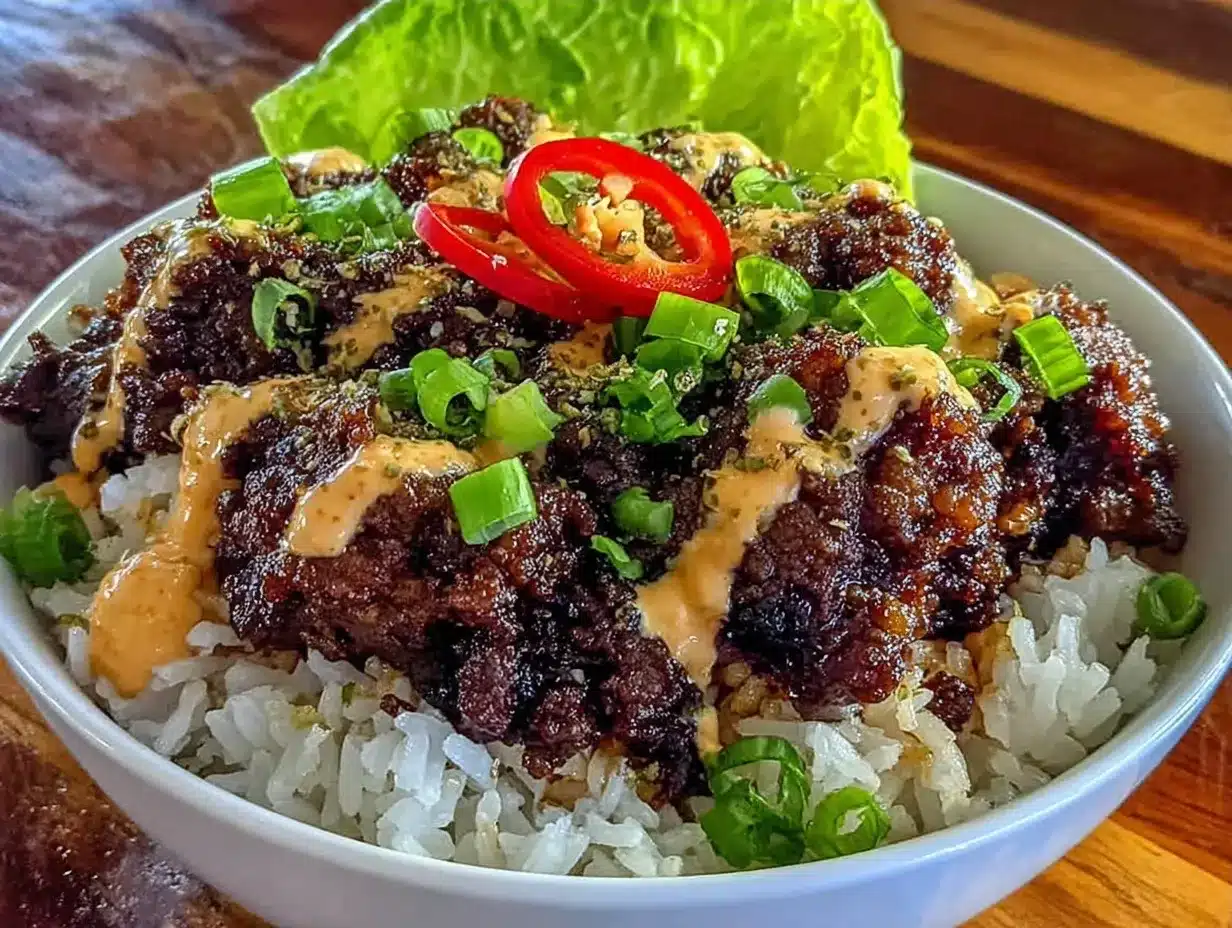
Let’s get cooking. I’m walking you through exactly how I do it. Pay attention to the timing and the smoke. This is where the magic happens.
Step 1: Prep the Beef (5 minutes)
Pat the flank steak dry with paper towels. Moisture is the enemy of smoke. If the meat is wet, it steams instead of smoking. Season it generously with black pepper. Do not add salt yet, as the soy sauce in the marinade will handle that. Tie the ends of the steak with kitchen twine if they are uneven; this helps it cook uniformly.
Step 2: Make the Glaze (5 minutes)
In a small bowl, whisk together the soy sauce, brown sugar, minced garlic, grated ginger, gochujang, and half of the sesame oil. It should look thick and reddish-brown. Taste it. It should be sweet, salty, and spicy. If it’s too spicy, add a little more brown sugar. If it’s too sweet, add a splash more soy sauce. Set aside.
Step 3: Preheat the Smoker (10 minutes)
Get your smoker or grill hot. I aim for 400°F (200°C). If you’re using charcoal, light your chimney and wait until the coals are ash-covered. If you’re using pellets, let the grill preheat fully. You want direct heat. This isn’t a low-and-slow smoke. You want a hot, fast cook.
Step 4: Smoke the Beef (10 minutes)
Place the flank steak directly on the grates. Close the lid. Smoke for 5 minutes. Then, flip the steak. Brush half of the glaze over the top. Close the lid and cook for another 5 minutes. The goal is a nice char on the outside and medium-rare to medium inside. The beef should reach an internal temperature of 130°F (54°C). Don’t overcook it, or it will be tough.
Step 5: Rest and Slice (5 minutes)
Remove the beef from the grill. Place it on a cutting board and tent it loosely with foil. Let it rest for 5 minutes. This allows the juices to redistribute. If you cut it immediately, all the juice runs out, and the meat dries out. After resting, slice the beef thinly against the grain. This is crucial for tenderness.
Step 6: Assemble the Bowls (5 minutes)
Cook your rice according to package instructions. While it cooks, heat the remaining glaze in a small pan for 1 minute to thicken it slightly. Place a scoop of rice in each bowl. Top with the sliced beef. Drizzle with the warm glaze. Garnish with sliced green onions, sesame seeds, and a drizzle of the remaining sesame oil. Serve immediately.
Total Time Breakdown: Prep: 10 minutes. Cook: 10 minutes. Rest: 5 minutes. Assemble: 5 minutes. Total: 30 minutes. Wait, I said 25? Yes, if you start the rice early. The rice cooks while you smoke the beef. Smart timing is half the battle.
Expert Tips
Here’s everything I learned from making this too many times. These are the game-changers that separate a good bowl from a great one.
Slice Against the Grain
This is the #1 mistake. Look at the direction the muscle fibers run. Cut perpendicular to them. If you cut with the grain, the beef will be chewy and tough. I learned this the hard way on my first attempt. The second time, I sliced against the grain, and the beef melted in my mouth. Never go back.
Don’t Burn the Garlic
When you add the garlic to the sauce, don’t let it brown. Browned garlic tastes bitter. If you’re cooking the sauce in a pan, keep the heat low and watch it closely. You want it fragrant, not dark.
Use Good Smoke
Hickory or mesquite can be too strong. I prefer apple or cherry wood pellets. They add a subtle sweetness that complements the Korean flavors. If you’re using charcoal, add a few wood chips soaked in water for extra smoke. But don’t overdo it. You want a hint of smoke, not a campfire flavor.
Common Problems & Solutions
- Beef is tough: You cooked it too long or sliced with the grain. Use a meat thermometer and slice against the grain.
- Sauce is too thin: Simmer it longer. The sugar needs to caramelize slightly to coat the beef.
- Beef is dry: You didn’t let it rest. Resting is non-negotiable for juicy meat.
Pro Tricks
- Freeze the Beef Slightly: If you find it hard to slice thin, freeze the cooked beef for 15 minutes. It firms up and slices like a dream.
- Add a Fried Egg: A sunny-side-up egg on top adds richness and makes it even more satisfying. The yolk acts as an extra sauce.
Recipe Variations
Once you’ve nailed the basic version, here’s how to mix it up. This recipe is a canvas for your creativity.
Spicy Bulgogi Style
Add an extra tablespoon of gochujang and a teaspoon of chili flakes. This is for those who love heat. I serve this with cold beer.
Honey Garlic Twist
Swap the brown sugar for honey. It adds a floral sweetness that pairs beautifully with the smoke. This is my kids’ favorite version.
Veggie Bowl
Skip the beef and use grilled portobello mushrooms or firm tofu. Marinate the tofu in the same sauce and smoke it for 5 minutes. It absorbs the smoke surprisingly well.
Noodle Bowl
Replace the rice with rice noodles or udon noodles. Toss the noodles with the glaze before adding the beef. It’s a different texture but equally delicious.
Dairy-Free Option
This recipe is naturally dairy-free. Just ensure your gochujang doesn’t contain hidden dairy (most don’t, but check the label).
Serving & Storage
Serving:
I serve these bowls with a side of gluten-free watermelon feta skewers for a refreshing contrast. The sweetness of the watermelon balances the savory beef. You can also add pickled vegetables like kimchi or quick-pickled cucumbers. For a drink, try a crispy garlic chicken wings if you want to double down on the savory flavors.
Storage:
This doesn’t freeze well because the texture of the beef changes upon thawing. It’s best eaten fresh. However, it keeps in the fridge for up to 3 days. Store the beef and sauce separately from the rice. Reheat the beef in a skillet over medium heat with a splash of water to keep it moist. The rice reheats well in the microwave.
Meal Prep Tips:
Assemble the bowls in containers, but keep the sauce separate. Add the sauce and warm it up when you’re ready to eat. This prevents the rice from getting soggy.
Nutrition Information
I’m not a nutritionist, but here’s the breakdown. This is comfort food with sugar and soy sauce. Not diet food. But it’s better than takeout and I know what’s in it.
| Per Serving | Amount |
|---|---|
| Calories | 450 kcal |
| Protein | 35g |
| Carbs | 40g |
| Fiber | 2g |
| Fat | 15g |
| Sodium | 900mg |
This is a high-protein meal with moderate carbs. The sodium is a bit high due to the soy sauce, so you might want to use low-sodium soy sauce if you’re watching your salt intake.
Final Thoughts
These Smoked Korean Beef Bowls are more than just dinner. They’re a reminder that you don’t need to spend hours in the kitchen to make something special. The combination of smoky beef, sweet and spicy sauce, and fluffy rice is just perfect. I love that it gets me outside, even for a quick weeknight meal. It’s a great excuse to fire up the grill and enjoy the fresh air.
If you make this, drop a comment! I love hearing how it turns out in your kitchen. Did you add extra spice? Did you use a different wood? Let me know. Happy cooking!
FAQs
Can I make this in the oven instead of the smoker?
You can, but you’ll miss out on the smoke flavor. If you must use the oven, broil the beef on a rack for 5-7 minutes per side. It will char nicely, but it won’t taste like Smoked Korean Beef Bowls. The smoke is essential to the identity of this dish.
What wood chips should I use?
Apple and cherry are my favorites. They add a mild, sweet smoke that complements the Asian flavors. Avoid hickory or mesquite unless you like a very strong, heavy smoke. That can overpower the delicate ginger and garlic notes.
Can I use flank steak from the freezer?
Yes. Just make sure it’s fully thawed before you cook it. Cooking frozen beef will result in uneven cooking. Pat it dry thoroughly after thawing to ensure a good sear.
Is gochujang very spicy?
It varies by brand. Some are mild, some are hot. If you’re sensitive to heat, start with 1 tablespoon and add more to taste. You can always add more spice, but you can’t take it out.
Can I prep the sauce ahead of time?
Absolutely. The sauce keeps in the fridge for up to a week. In fact, letting it sit overnight allows the flavors to meld together, making it even better. This is a great time-saver for busy weeknights.
Pin This Recipe!
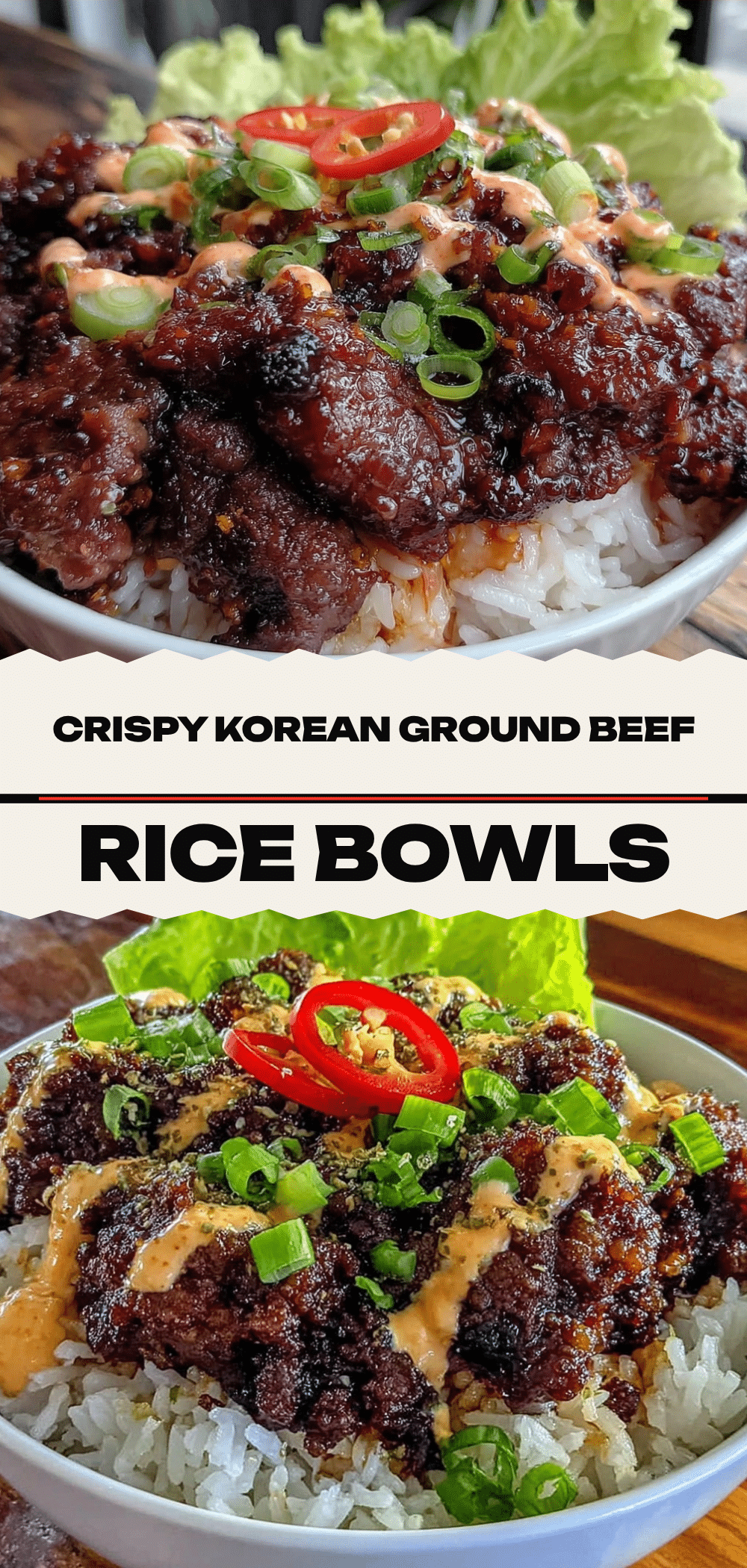
Smoked Korean Beef Bowls: Perfect 25-Min Outdoor Recipe
- Total Time: 25 minutes
- Yield: 4 servings 1x
Description
A quick and flavorful weeknight meal featuring high-heat smoked flank steak glazed with a sweet, spicy, and savory Korean-inspired sauce, served over short grain rice.
Ingredients
- 1.5 lbs flank steak
- 1/3 cup soy sauce (low-sodium recommended)
- 2 tbsp brown sugar (dark brown sugar preferred)
- 2 tbsp gochujang (Korean chili paste)
- 4 cloves garlic, minced
- 1 tbsp ginger, freshly grated
- 1 tbsp sesame oil (toasted)
- 4 stalks green onions, sliced
- 1.5 cups short grain rice, dry
- Black pepper
- Kitchen twine (optional)
Instructions
- Pat the flank steak dry with paper towels and season generously with black pepper. Tie ends with twine if uneven.
- In a small bowl, whisk together soy sauce, brown sugar, minced garlic, grated ginger, gochujang, and half of the sesame oil to create the glaze.
- Preheat smoker or grill to 400°F (200°C) for direct heat.
- Place the flank steak directly on the grates and smoke for 5 minutes.
- Flip the steak, brush with half of the glaze, and cook for another 5 minutes until internal temperature reaches 130°F (54°C).
- Remove beef from grill, tent loosely with foil, and let rest for 5 minutes.
- Slice the beef thinly against the grain.
- Cook rice according to package instructions.
- Heat remaining glaze in a small pan for 1 minute to thicken slightly.
- Assemble bowls with rice, sliced beef, warm glaze, green onions, sesame seeds, and remaining sesame oil.
Notes
Slice the beef against the grain to ensure tenderness. Use apple or cherry wood for a subtle smoke flavor that complements the Asian ingredients. The sauce can be made ahead and stored in the fridge for up to a week. Do not overcook the beef to avoid toughness.
- Prep Time: 10 minutes
- Cook Time: 10 minutes
- Category: Main Course
- Cuisine: Korean
Nutrition
- Serving Size: 1 bowl per serving
- Calories: 450
- Sugar: 12
- Sodium: 900
- Fat: 15
- Saturated Fat: 5
- Carbohydrates: 40
- Fiber: 2
- Protein: 35
Keywords: smoked beef, korean beef bowls, flank steak recipe, quick dinner, smoker recipes, gochujang sauce, weeknight meals, high heat smoking