I still remember the exact moment I realized my carrot cake was failing. It was my sister’s wedding reception, three years ago, and I had spent all morning nervously checking my oven temperature. I pulled the cake out, proud of the beautiful golden-brown top, and let it cool. Then, I frosted it. And then, I waited for the inevitable verdict.
My uncle, a man who hasn’t complained about a dessert since 1974, took one bite. He chewed slowly. He frowned. “It’s dry,” he said. “And it tastes like cardboard.”
My heart dropped through the floor. I had followed the “classic” recipe to the letter. I had grated the carrots myself. I had whipped the cream cheese until it was fluffy. So why did it taste like dry sawdust? That night, I went home and tore apart every carrot cake recipe I could find. I realized that most of them relied on too much flour, not enough oil, and a total lack of respect for the carrots themselves. They were treating carrots like an afterthought, a green vegetable hiding in a sweet cake. But carrots aren’t an afterthought. They’re the star.
Over the next six months, I baked maybe forty batches of carrot cake. I burned the bottoms. I overmixed the batter until it was tough as leather. I used pineapple from a can that turned my cake into soup. But slowly, painfully, I figured it out. I learned that the secret to an ultra-moist carrot cake isn’t fancy ingredients—it’s technique. It’s about how you handle the oil, when you add the eggs, and, most importantly, how you treat the cream cheese frosting.
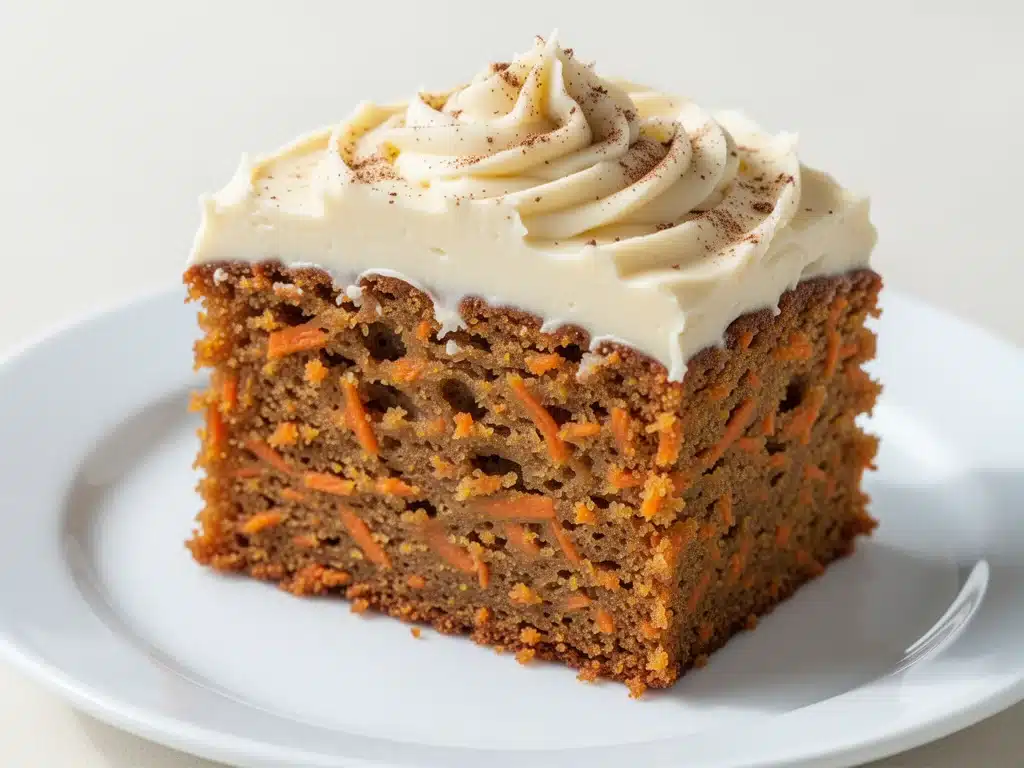
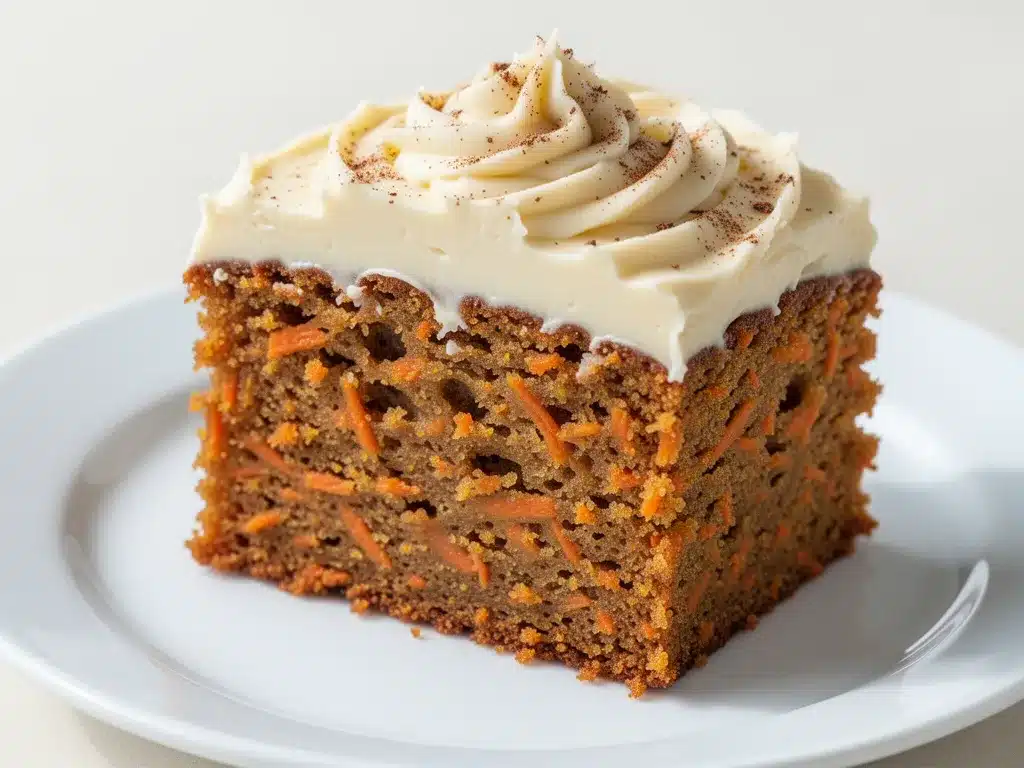
This is that recipe. The one that finally shut my uncle up (he actually asked for the recipe for his birthday). This classic cream cheese frosting carrot cake is dense enough to feel substantial, but tender enough to melt in your mouth. It’s spiced perfectly—not too much cinnamon, just enough to make you feel cozy. And it stays moist for days, which is crucial because this cake disappears fast.
If you’ve ever struggled with a cake that crumbles apart or tastes dry, you need to try this method. I’ve tested it with my picky teenage son, my health-conscious mom, and a room full of skeptical foodie friends. Everyone loved it. And honestly? It’s easier than you think.
Why You’ll Love This Recipe
There are a hundred carrot cake recipes out there, but this one is different. It’s not just another entry in the pile; it’s the one I pull out when I need to impress people or when I need a hug in dessert form. Here’s why this ultra-moist carrot cake has taken over my kitchen:
Actually Moist (Not Greasy) — The biggest mistake people make with carrot cake is thinking “moist” means “oily.” This cake uses the perfect ratio of oil to flour so it’s tender, not slick. You won’t feel like you’re eating a slice of fried dough. It’s light, airy, and genuinely moist from the carrots and the buttermilk.
Frosting That Stays Put — I’ve tried buttercream, and it’s too sweet. I’ve tried whipped cream, and it slides off. This classic cream cheese frosting is tangy, rich, and stable enough to hold up in warm weather but soft enough to spread easily. It balances the sweetness of the cake perfectly.
One-Bowl Wonder — Okay, technically I use two bowls (one for wet, one for dry), but you don’t need a stand mixer. A hand mixer or even a strong whisk and some elbow grease will do the job. There’s no complex lamination or fancy techniques. Just mix, pour, bake, and frost. It’s the kind of dessert that lets you spend time with your guests instead of fighting with a mixer.
Perfect for Any Occasion — Sure, it’s the king of St. Patrick’s Day. But this cake is year-round. It’s great for birthdays, potlucks, or just because it’s Tuesday. It’s also surprisingly similar in texture to my healthy pumpkin bars, but with that iconic carrot spice kick. If you love fall baking, you’ll feel right at home here.
Freezes Like a Dream — Unlike many delicate cakes, this one freezes beautifully. I often bake two layers, frost one, and freeze the other for later. When you’re ready to eat it, just thaw it overnight in the fridge. It tastes just as fresh as the day it was made.
This is my go-to dessert when I want something that feels homemade and special but doesn’t require a culinary degree. It’s reliable, delicious, and always a crowd-pleaser.
Ingredients You’ll Need
Here’s the thing about carrot cake: it looks like a long ingredient list, but most of it is stuff you probably already have in your pantry. I’m particular about a few things here, though. Don’t skip the buttermilk, and definitely use fresh carrots, not pre-shredded bagged ones if you can help it.
For the Cake:
Vegetable Oil (1 ½ cups / 360ml) — I use vegetable or canola oil. You want a neutral oil that won’t overpower the spices. Olive oil works, but it changes the flavor profile too much. Some people use melted butter, but I find butter makes the cake denser and less moist. Oil is the key to that tender crumb.
Granulated Sugar (1 ½ cups / 300g) — Yes, it’s a sweet cake. But the carrots add natural sweetness, so you don’t need to cut it drastically. If you’re worried about sugar, you can reduce it to 1 ¼ cups, but the cake might be slightly drier.
Dark Brown Sugar (1 cup / 200g) — This is the secret weapon. The molasses in brown sugar adds depth and keeps the cake moist for days. Don’t skip this. It’s what gives the cake that rich, caramel-like undertone.
Large Eggs (4 whole eggs) — Room temperature eggs blend better into the batter. If you forget to take them out, just run them under warm water for a few minutes. Cold eggs can cause the batter to curdle slightly.
Vanilla Extract (2 teaspoons) — Use real vanilla, not imitation. It makes a noticeable difference in the flavor. If you’re feeling fancy, use vanilla bean paste.
All-Purpose Flour (2 cups / 250g) — Don’t use cake flour unless you know what you’re doing. AP flour gives the right structure. Spoon it into the measuring cup and level it off. Don’t scoop directly from the bag, or you’ll pack in too much flour and end up with a dense brick.
Baking Soda (2 teaspoons) — This reacts with the buttermilk to help the cake rise. Make sure it’s fresh! If your baking soda is old, your cake won’t rise properly.
Baking Powder (1 teaspoon) — Just a little extra lift to ensure those layers are tall and fluffy.
Salt (1 teaspoon) — Essential for balancing the sweetness. Don’t skimp.
Ground Cinnamon (2 teaspoons) — The backbone of the flavor. Use a good quality cinnamon if you can. It should smell strong and sweet.
Ground Ginger (½ teaspoon) — Adds a warm, spicy kick. If you don’t like ginger, you can skip it, but I think it adds complexity.
Ground Cloves (¼ teaspoon) — Just a pinch. It adds that “holiday” scent. Don’t add too much, or it’ll taste medicinal.
Nutmeg (¼ teaspoon) — Freshly grated if you have a microplane, but ground is fine.
Carrots (4 cups / 400g, grated) — This is the star. Use 4 large carrots. Grate them yourself. Pre-shredded carrots are dried out and won’t give you that juicy texture. I use the large holes on my box grater. If you have a food processor with a shredding disk, that works too, but do it by hand for the best texture.
Buttermilk (1 cup / 240ml) — This tenderizes the gluten and adds tang. If you don’t have buttermilk, make your own: add 1 tablespoon of lemon juice or white vinegar to 1 cup of milk. Let it sit for 10 minutes until it curdles. It’s a lifesaver.
Walnuts or Pecans (1 cup, chopped) — Optional, but I think nuts are essential for texture. I use walnuts because they’re classic, but pecans are delicious too. Toast them first for extra flavor.
Raisins or Golden Raisins (½ cup) — I’m not a huge raisin person, but my family loves them. If you hate raisins, skip them. Or swap them for chopped dates or dried cranberries for a different twist.
For the Classic Cream Cheese Frosting:
Cream Cheese (16 oz / 450g, full-fat, brick style) — Do not use the tub variety. It has too much water and won’t hold its shape. Use Philadelphia or a similar brand. Let it come to room temperature before mixing, or you’ll get lumps.
Unsalted Butter (½ cup / 113g, softened) — Again, room temperature is key. If it’s too cold, it’ll chunk up the frosting. If it’s too soft/melted, the frosting will be runny.
Powdered Sugar (4-5 cups / 500-625g) — Sift this if you can. It removes lumps and makes the frosting silky smooth. You might not need all 5 cups, so add it gradually until you reach the consistency you like.
Vanilla Extract (1 teaspoon) — Just a little to tie it all together.
Salt (¼ teaspoon) — A pinch of salt cuts the sweetness of the frosting. It’s crucial.
Equipment Needed
You don’t need a fancy kitchen to make this cake. Here’s what I actually use:
Two 9-inch Round Cake Pans — I use metal pans because they bake evenly. Glass pans can cause the edges to overcook. Make sure to grease and flour them, or line them with parchment paper for easy removal.
Box Grater or Food Processor — For the carrots. A box grater gives you more control over the texture, but a food processor is faster if you’re grating a lot.
Large Mixing Bowls — One big bowl for the wet ingredients, one for the dry. I use stainless steel bowls because they’re sturdy and easy to clean.
Hand Mixer or Whisk — I use a hand mixer because it’s less messy than a stand mixer for this recipe. But a whisk works if you have the arm strength!
Spatula — A silicone spatula is great for scraping the bowl and folding in the carrots. It ensures you get all the batter.
Cooling Rack — Essential for cooling the cakes evenly. If you leave them in the pan, the bottoms will steam and get soggy.
Offset Spatula — For frosting. It makes spreading the frosting so much easier and gives you a smoother finish. I have a cheap one from the dollar store, and it works just as well as the expensive ones.
Parchment Paper — I always line the bottom of my cake pans with parchment. It guarantees the cake won’t stick, and it makes cleanup a breeze.
How to Make It: Step-by-Step
Alright, let’s make this! I’m walking you through exactly how I do it, including the little tricks I’ve picked up over the years.
Step 1: Prep Your Oven and Pans
Preheat your oven to 350°F (175°C). This is crucial. If your oven is too cold, the cake won’t rise. If it’s too hot, the outside will burn before the inside is cooked. While it heats, grease your two 9-inch cake pans. I like to grease them, then line the bottoms with parchment paper, then grease the parchment. This is the “triple threat” method that ensures nothing sticks.
Step 2: Grate Your Carrots
Peel your carrots and grate them. I use the large holes on my box grater. You want them chunky, not fine. If they’re too fine, they’ll turn into mush in the cake. You should have about 4 cups. If you’re using a food processor, pulse until just shredded. Don’t over-process.
Step 3: Mix the Wet Ingredients
In a large bowl, whisk together the vegetable oil, granulated sugar, brown sugar, eggs, and vanilla. Whisk vigorously for about 2 minutes. You want the sugar to dissolve a bit into the oil. This step is important for the texture. The mixture should look glossy and smooth.
Step 4: Combine the Dry Ingredients
In a separate bowl, whisk together the flour, baking soda, baking powder, salt, cinnamon, ginger, cloves, and nutmeg. Make sure there are no clumps of baking soda. This ensures even distribution of leavening.
Step 5: Combine Wet and Dry
Gradually add the dry ingredients to the wet ingredients, mixing on low speed or stirring by hand. Mix just until combined. Do not overmix! Overmixing develops gluten, which makes the cake tough. It’s okay if there are a few small lumps of flour.
Step 6: Fold in Carrots and Nuts
Using a spatula, gently fold in the grated carrots, nuts, and raisins (if using). Be gentle. You want to distribute them evenly without crushing the carrots or overworking the batter. The batter will be thick and heavy. This is normal.
Step 7: Bake
Divide the batter evenly between the two cake pans. Smooth the tops with your spatula. Bake for 30-35 minutes. You’ll know they’re done when a toothpick inserted into the center comes out clean or with just a few moist crumbs. Do not overbake, or the cake will be dry. If the tops are browning too fast, cover them loosely with foil after 20 minutes.
Step 8: Cool Completely
Let the cakes cool in the pans for 10 minutes, then turn them out onto a cooling rack to cool completely. This is the hardest part, but you must wait. If you frost a warm cake, the frosting will melt and slide off. I usually make the frosting while the cakes cool, so everything is ready at the same time.
Step 9: Make the Frosting
In a large bowl, beat the room-temperature cream cheese and softened butter on medium-high speed until smooth and creamy. This should take about 2-3 minutes. Scrape down the sides of the bowl. Gradually add the powdered sugar, one cup at a time, mixing on low speed. Once all the sugar is in, increase the speed to medium-high and beat for 2 more minutes until fluffy. Add vanilla and salt. Taste it. If it’s too sweet, add a little more cream cheese. If it’s too thick, add a teaspoon of milk.
Step 10: Assemble and Frost
Place one cake layer on your serving plate. Spread a generous layer of frosting on top. Place the second layer on top. Frost the top and sides. I like to do a “crumb coat” first—a thin layer of frosting to trap any crumbs. Chill the cake for 15 minutes, then apply the final layer of frosting. Decorate with extra chopped nuts or a few carrot shavings if you want to get fancy.
Expert Tips & Tricks
Here’s everything I’ve learned from making this dozens of times. These tips will save you from my mistakes.
Grate Your Own Carrots
This is non-negotiable. Pre-shredded carrots are coated in anti-caking agents and are often dried out. They won’t release moisture into the cake. Freshly grated carrots are juicy and sweet. It takes 10 minutes, but it’s worth it.
Room Temperature Ingredients
I can’t stress this enough. Your cream cheese, butter, and eggs should be at room temperature. Cold ingredients don’t emulsify properly, and you’ll end up with a lumpy, grainy frosting or a curdled batter. Plan ahead and take them out of the fridge an hour before you start.
Don’t Overmix the Batter
Once you add the flour, mix until it’s just combined. Overmixing makes the cake dense and chewy instead of tender and crumbly. It’s okay to have a few lumps. The folding in of the carrots will help distribute everything.
Check for Doneness Early
Ovens vary. Start checking your cakes at 25 minutes. The toothpick test is your best friend. If it comes out wet with batter, keep baking. If it comes out clean, pull it out. Overbaked carrot cake is dry carrot cake.
Toast Your Nuts
If you’re using walnuts or pecans, toast them in a dry skillet over medium heat for 3-5 minutes until fragrant. This brings out their flavor and adds a nice crunch. It’s a small step that makes a big difference.
Chill Before Serving
Carrot cake tastes better after it’s chilled. The flavors meld together, and the frosting sets. I usually make the cake the night before and let it sit in the fridge overnight. It’s even better the next day.
Variations & Substitutions
Once you’ve nailed the basic version, here’s how you can mix it up. I’ve tried all of these.
Carrot Cake with Pineapple
Add 1 cup of crushed pineapple (drained well) to the batter. This adds extra moisture and a tropical twist. It’s a classic variation, especially in the Southern US.
Carrot Cake with Cream Cheese Filling
Before adding the second layer, spread a layer of sweetened cream cheese filling (beat 4 oz cream cheese with 2 tbsp sugar and 1 tsp vanilla) on the first layer. It adds a rich, creamy surprise.
Gluten-Free Version
Use a 1:1 gluten-free flour blend. Make sure it contains xanthan gum, or add ½ teaspoon. The texture might be slightly denser, but it still tastes great.
Dairy-Free Version
Use dairy-free butter and dairy-free cream cheese. The frosting might be slightly softer, so chill it longer. The cake itself is naturally dairy-free if you skip the buttermilk (use coconut milk instead).
Nut-Free Version
Simply omit the nuts. The cake will be softer, but still delicious. You can add more raisins or dried cranberries if you want some chewiness.
Spice It Up
Add a pinch of cardamom or allspice to the dry ingredients for a more complex spice profile. It’s subtle but nice.
Serving & Storage
How to Serve:
I usually serve this cake chilled, but let it sit at room temperature for 15-20 minutes before serving so the frosting softens. It’s perfect with a cup of coffee or tea. It pairs beautifully with a simple green salad if you want a lighter meal, or with a slice of classic apple crisp if you’re hosting a dinner party.
Side Dishes:
Since this is a rich dessert, it doesn’t need much. Maybe some fresh berries on the side to cut the sweetness. Or just serve it as is.
Storage Instructions:
Refrigerator: Store the cake in an airtight container or covered with plastic wrap in the fridge for up to 5 days. The frosting will harden in the fridge, so let it come to room temperature before eating.
Freezer: You can freeze the unfrosted cake layers for up to 3 months. Wrap them tightly in plastic wrap and then in foil. Thaw overnight in the fridge. You can also freeze the frosted cake, but the frosting might change texture slightly. Wrap it well and thaw in the fridge.
Pro Tip: If you’re making this for a party, bake the layers the day before, wrap them tightly, and let them sit at room temperature overnight. This makes them easier to frost and slice.
Nutrition Information
I’m not a nutritionist, but here’s the breakdown if you’re tracking. Keep in mind that this is a rich dessert, so portion control is key.
Per Serving (based on 12 slices):
- Calories: 480
- Protein: 6g
- Carbs: 62g
- Fiber: 2g
- Sugar: 42g
- Fat: 24g
- Saturated Fat: 12g
- Cholesterol: 65mg
- Sodium: 350mg
What’s Good:
- Carrots provide some vitamins, though not as much as you’d think in a cake.
- Nuts add healthy fats and protein.
- It’s a homemade dessert, so you know exactly what’s in it.
What to Know:
- High in sugar and calories from the frosting and brown sugar.
- Contains gluten, dairy, and nuts.
- Use whole wheat flour or almond flour to reduce carbs, but the texture will change.
My Take:
Look, this is a treat. It’s not a health food. But it’s so much better than store-bought cake, and you can control the sugar. When I make it for myself, I take a smaller slice and enjoy it slowly. It’s worth it.
Final Thoughts
So that’s my ultra-moist carrot cake! I’ve probably talked your ear off at this point, but when you make a recipe this often, you have a lot to say about it. This cake has saved me from dry, disappointing desserts time and again. It’s my answer to “what dessert should I make?” when I want something classic, comforting, and absolutely delicious.
My family loves it, my friends beg for it, and I’m always happy to make it. It’s a recipe that feels special but is actually easy to make. Make it yours! Try different nuts, add some pineapple, or just enjoy it as is. The best recipes are the ones you adapt to your tastes.
If you make this, drop a comment and let me know what you think! I love hearing how recipes turn out in your kitchen. And if something doesn’t work, tell me that too—I’m here to help troubleshoot. Happy baking!
Frequently Asked Questions
Can I use canned carrots?
No, please don’t. Canned carrots are cooked and soft. They won’t give you the fresh, juicy texture you need. Fresh carrots are essential for this recipe. If you’re short on time, use a food processor to grate them quickly.
Why did my carrot cake sink in the middle?
This usually happens if the oven temperature was too high, causing the cake to rise too fast and then collapse. Or, you might have opened the oven door too early. Check your oven temperature with a thermometer, and avoid opening the door for the first 20 minutes of baking.
Can I make this cake ahead of time?
Absolutely. In fact, it tastes better the next day. Bake the layers a day ahead, let them cool, wrap them tightly, and store at room temperature. Frost it the day you plan to serve it. Or, frost it the night before and store in the fridge.
Why is my frosting runny?
This usually means the cream cheese or butter was too warm, or you added too much powdered sugar too quickly. Beat the frosting longer on high speed to incorporate air. If it’s still runny, chill it in the fridge for 15 minutes, then beat it again. Next time, make sure your dairy is cool but soft.
Can I use applesauce instead of oil?
You can, but the cake will be denser and less moist. Oil is the key to that tender, moist crumb. If you want a lighter version, you can use half oil and half applesauce, but pure applesauce will change the texture significantly.
How do I store leftover carrot cake?
Store it in an airtight container in the fridge for up to 5 days. The frosting will harden, so let it sit at room temperature for 20 minutes before eating. You can also freeze the layers for up to 3 months.
Pin This Recipe!
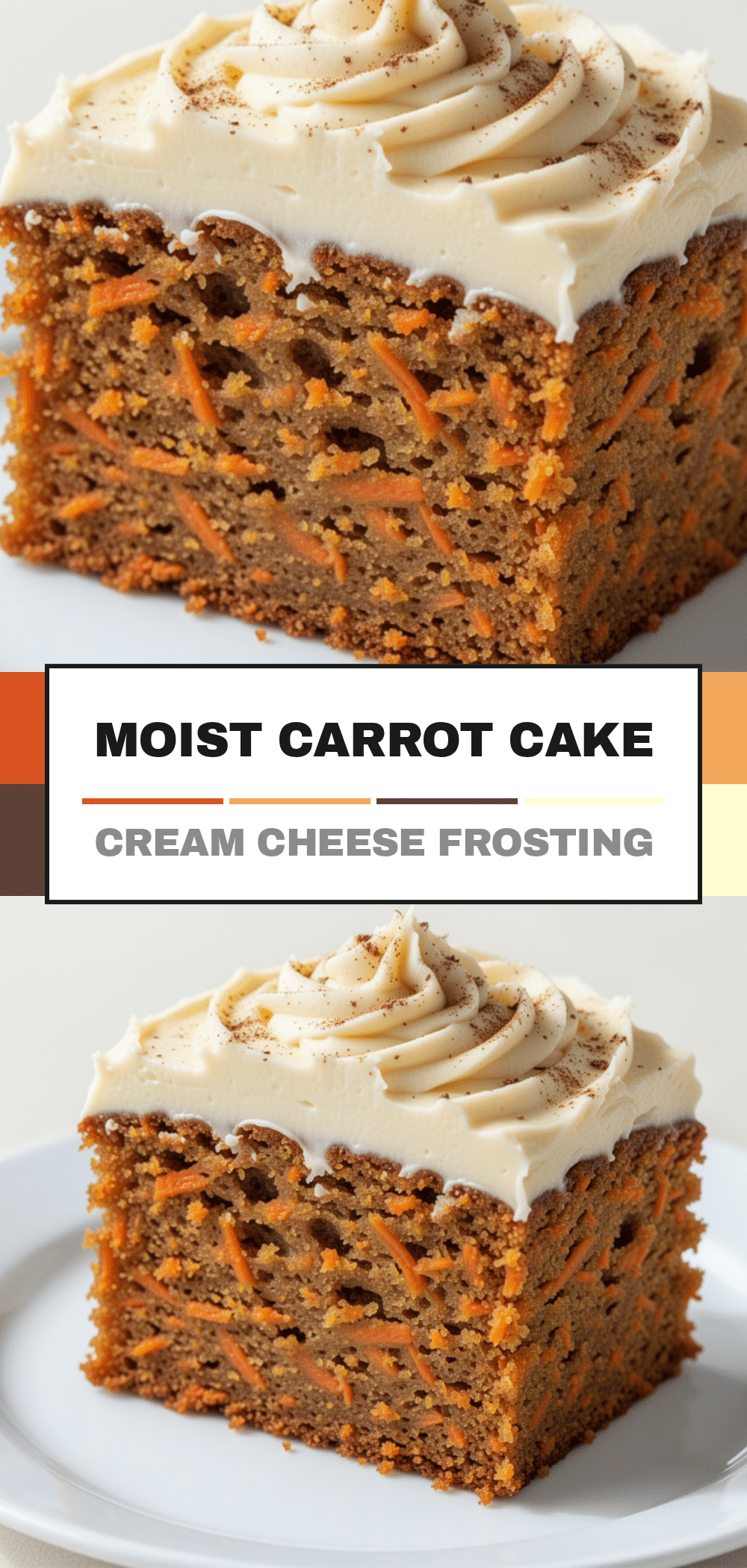
Ultra-Moist Carrot Cake: Best Easy Classic Recipe
- Total Time: 1 hour 5 minutes
- Yield: 12 servings 1x
Description
A dense yet tender, ultra-moist classic carrot cake with a rich cream cheese frosting. This recipe uses fresh grated carrots and buttermilk for maximum moisture and flavor, avoiding dryness and greasiness.
Ingredients
- 1 ½ cups vegetable oil
- 1 ½ cups granulated sugar
- 1 cup dark brown sugar
- 4 large eggs, room temperature
- 2 teaspoons vanilla extract
- 2 cups all-purpose flour
- 2 teaspoons baking soda
- 1 teaspoon baking powder
- 1 teaspoon salt
- 2 teaspoons ground cinnamon
- ½ teaspoon ground ginger
- ¼ teaspoon ground cloves
- ¼ teaspoon nutmeg
- 4 cups fresh carrots, grated
- 1 cup buttermilk
- 1 cup walnuts or pecans, chopped
- ½ cup raisins or golden raisins
- 16 oz full-fat cream cheese, brick style, room temperature
- ½ cup unsalted butter, softened
- 4–5 cups powdered sugar
- 1 teaspoon vanilla extract (for frosting)
- ¼ teaspoon salt (for frosting)
Instructions
- Preheat oven to 350°F (175°C). Grease two 9-inch round cake pans, line bottoms with parchment paper, and grease the parchment.
- Peel and grate fresh carrots using the large holes of a box grater or pulse in a food processor until shredded.
- In a large bowl, whisk together vegetable oil, granulated sugar, brown sugar, eggs, and vanilla for 2 minutes until glossy.
- In a separate bowl, whisk together flour, baking soda, baking powder, salt, cinnamon, ginger, cloves, and nutmeg.
- Gradually add dry ingredients to wet ingredients, mixing on low speed or by hand just until combined. Do not overmix.
- Gently fold in grated carrots, nuts, and raisins using a spatula.
- Divide batter evenly between prepared pans. Bake for 30-35 minutes until a toothpick inserted in the center comes out clean.
- Cool cakes in pans for 10 minutes, then turn out onto a cooling rack to cool completely.
- For frosting, beat cream cheese and butter until smooth. Gradually add powdered sugar, then vanilla and salt, beating until fluffy.
- Place one cake layer on a plate, spread frosting on top, add second layer, and frost top and sides. Chill before serving.
Notes
Use fresh carrots, not pre-shredded, for best moisture. Ensure cream cheese, butter, and eggs are at room temperature. Do not overmix the batter to avoid a dense cake. Toast nuts for extra flavor. Cake tastes better after chilling overnight.
- Prep Time: 30 minutes
- Cook Time: 35 minutes
- Category: Dessert
- Cuisine: American
Nutrition
- Serving Size: 1 slice
- Calories: 480
- Sugar: 42
- Sodium: 350
- Fat: 24
- Saturated Fat: 12
- Carbohydrates: 62
- Fiber: 2
- Protein: 6
Keywords: carrot cake, cream cheese frosting, moist carrot cake, classic dessert, baking, homemade cake